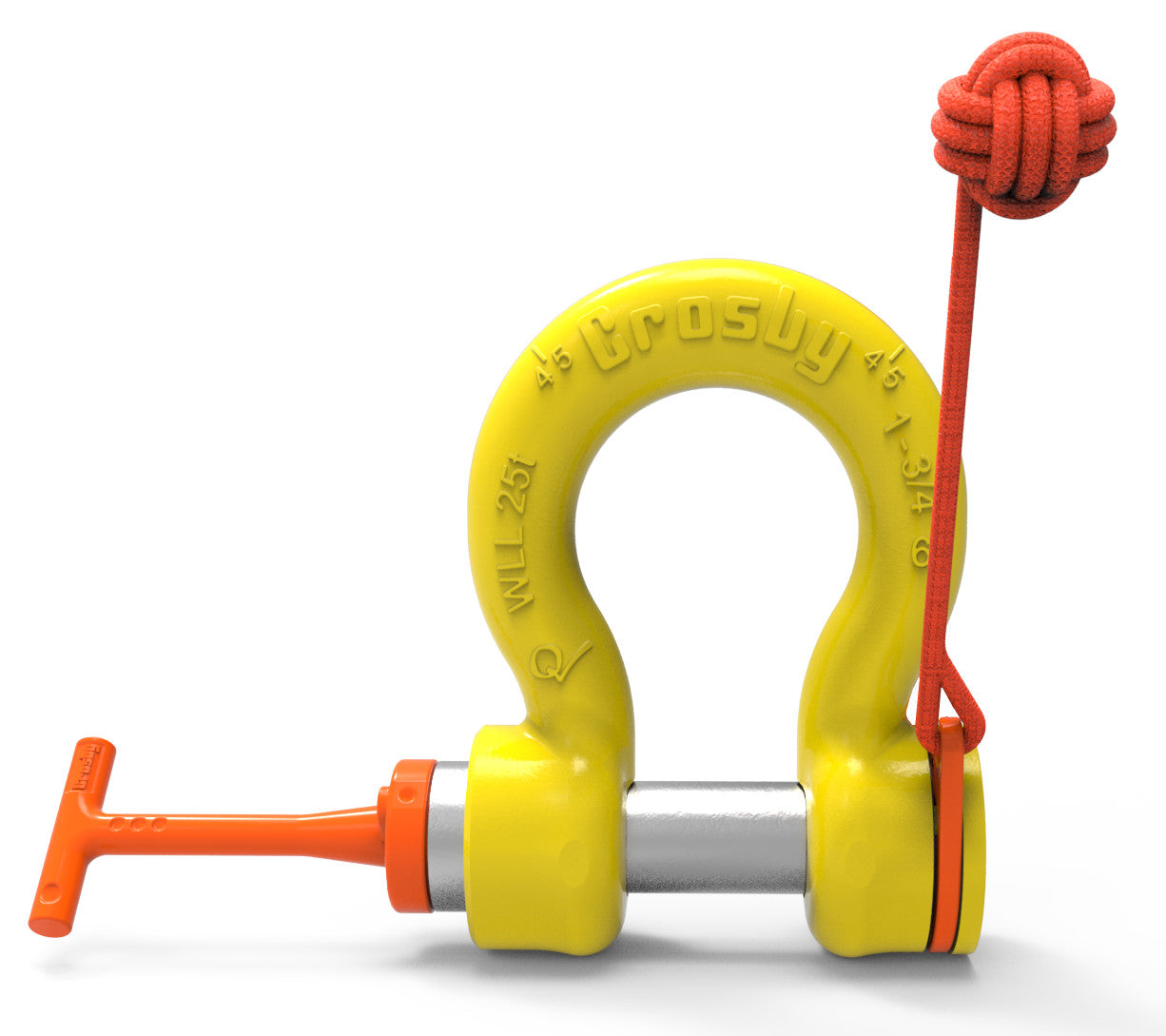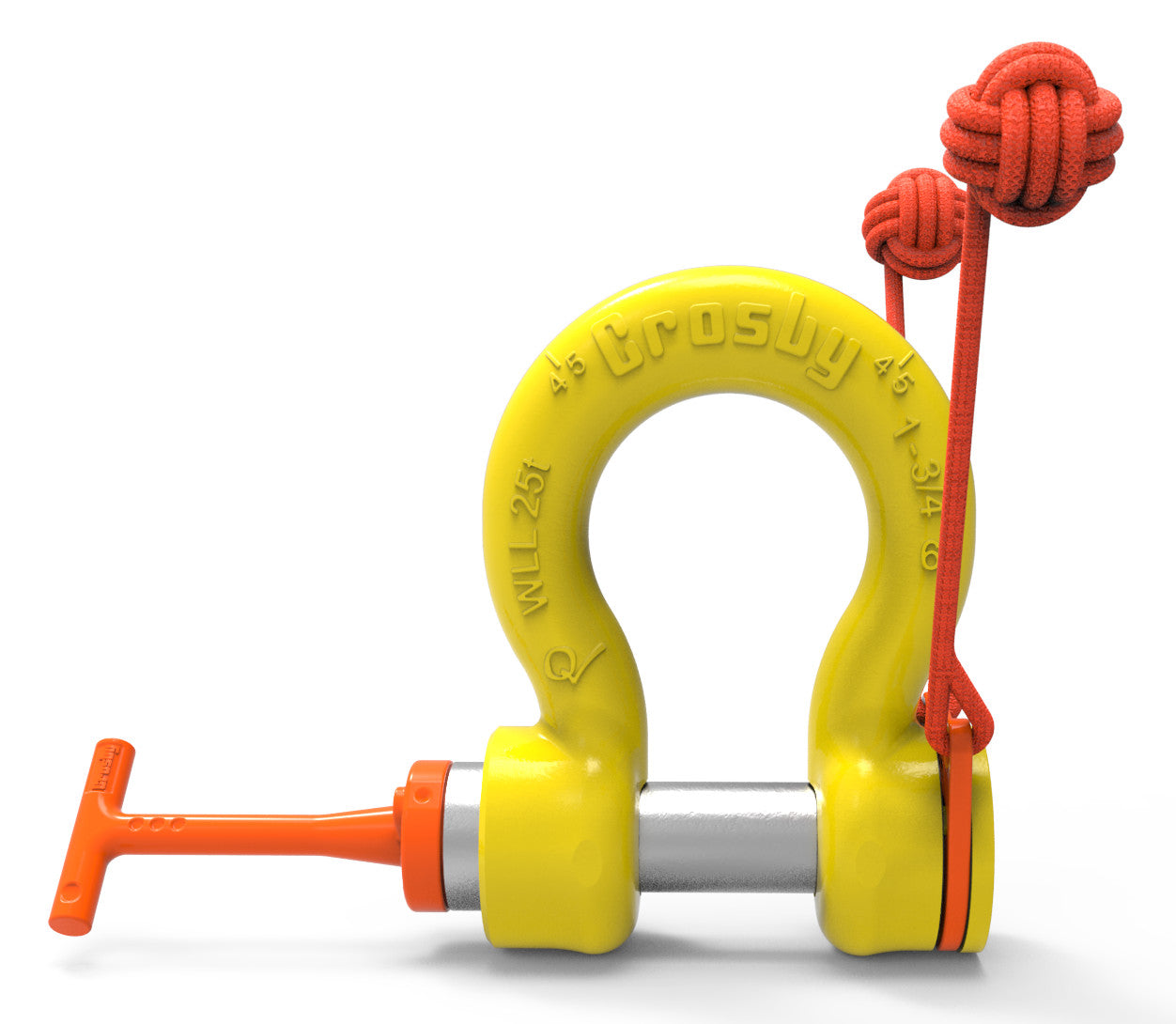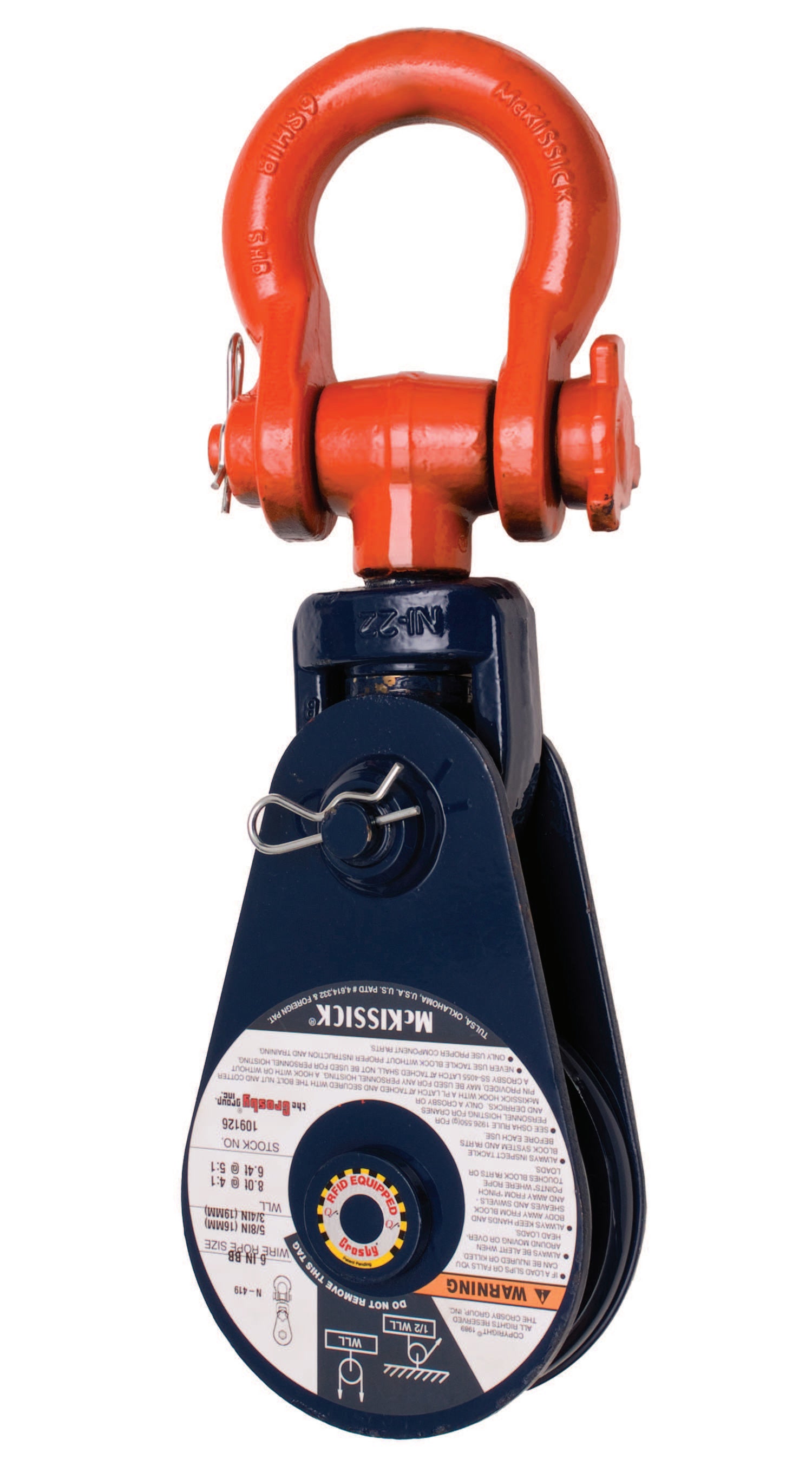
Shackles are the most versatile rigging hardware in overhead lifting. Connect a sling to a load, or join rigging components to each other. Picking the right type, grade, and size is critical to a safe lift. Want the full story? Read our Shackles Guide →
How to Choose the Right Shackle
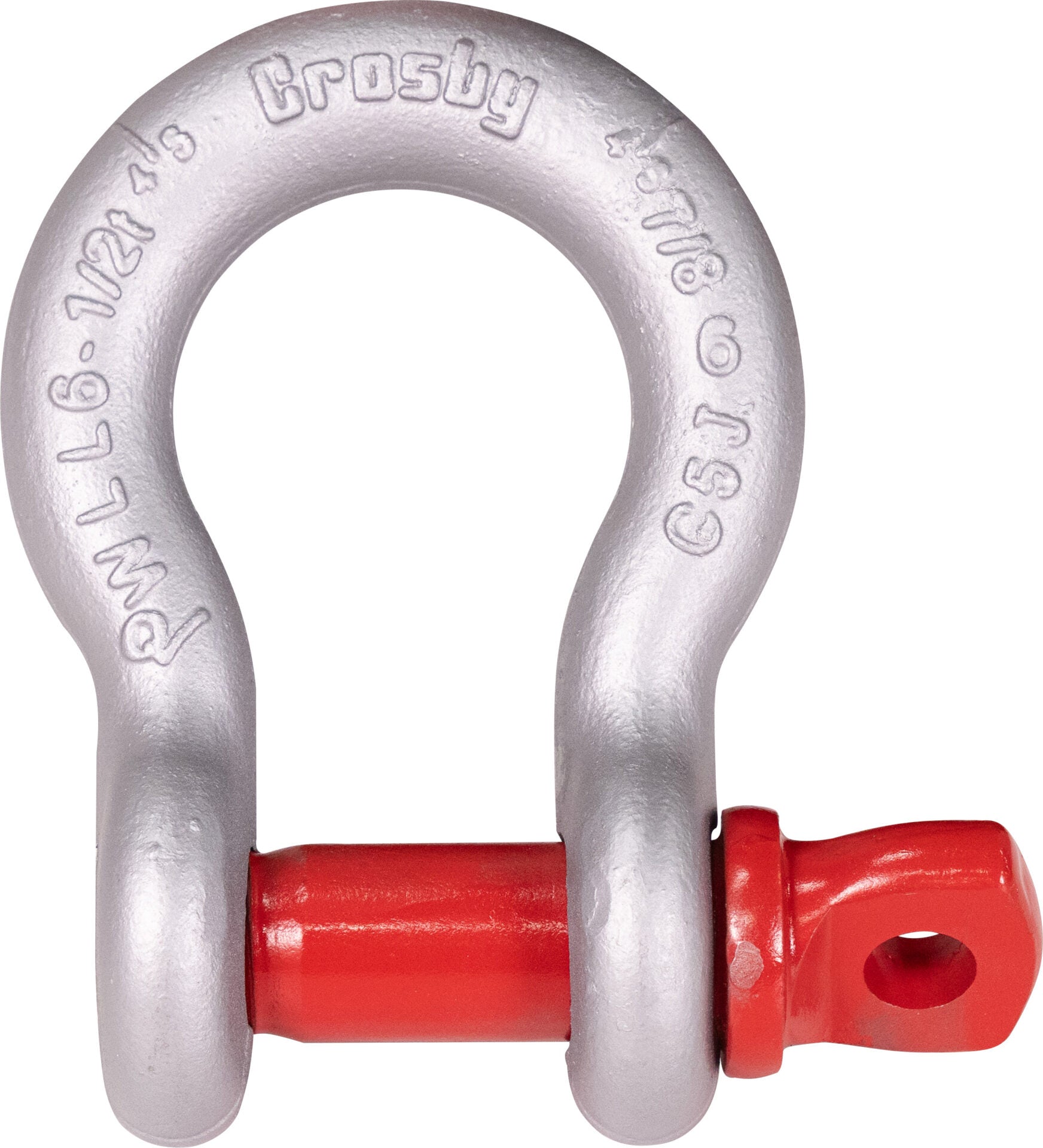
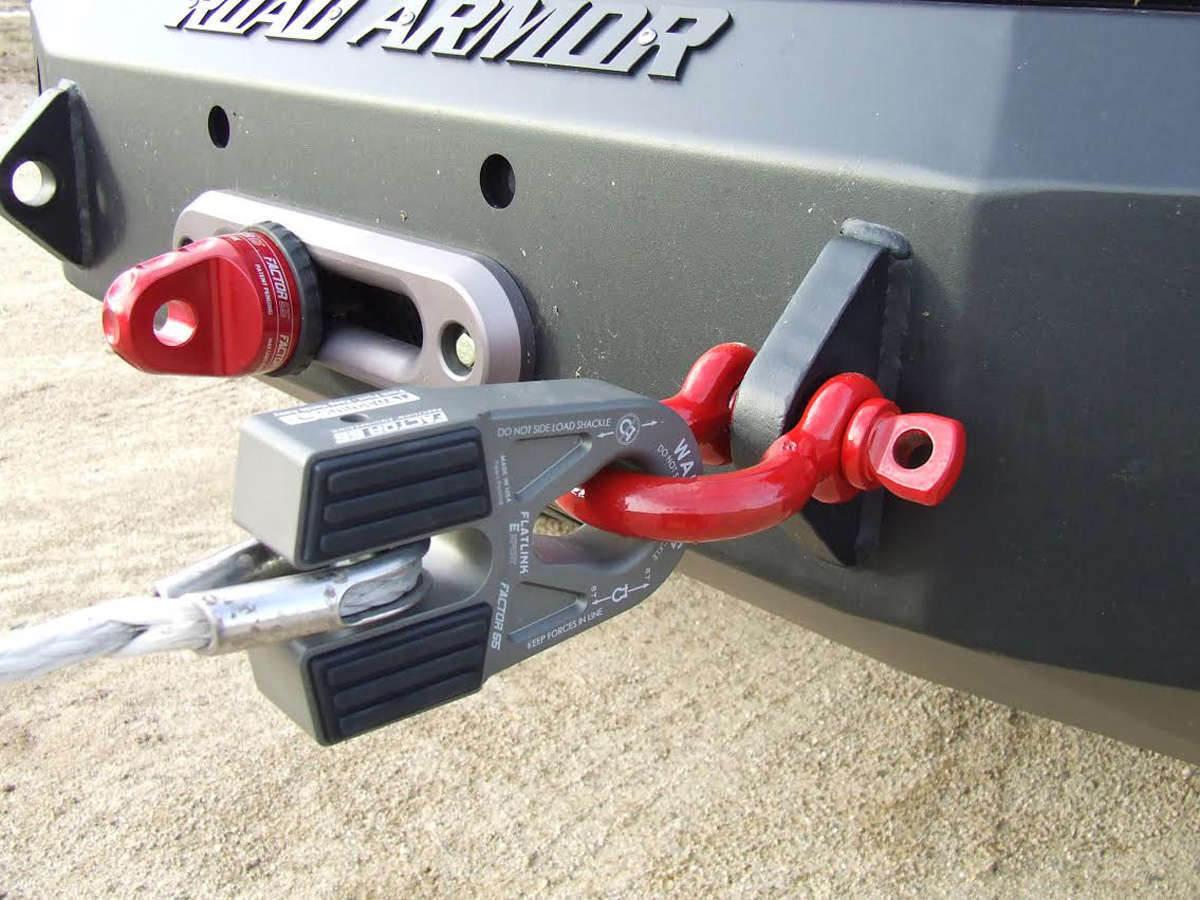
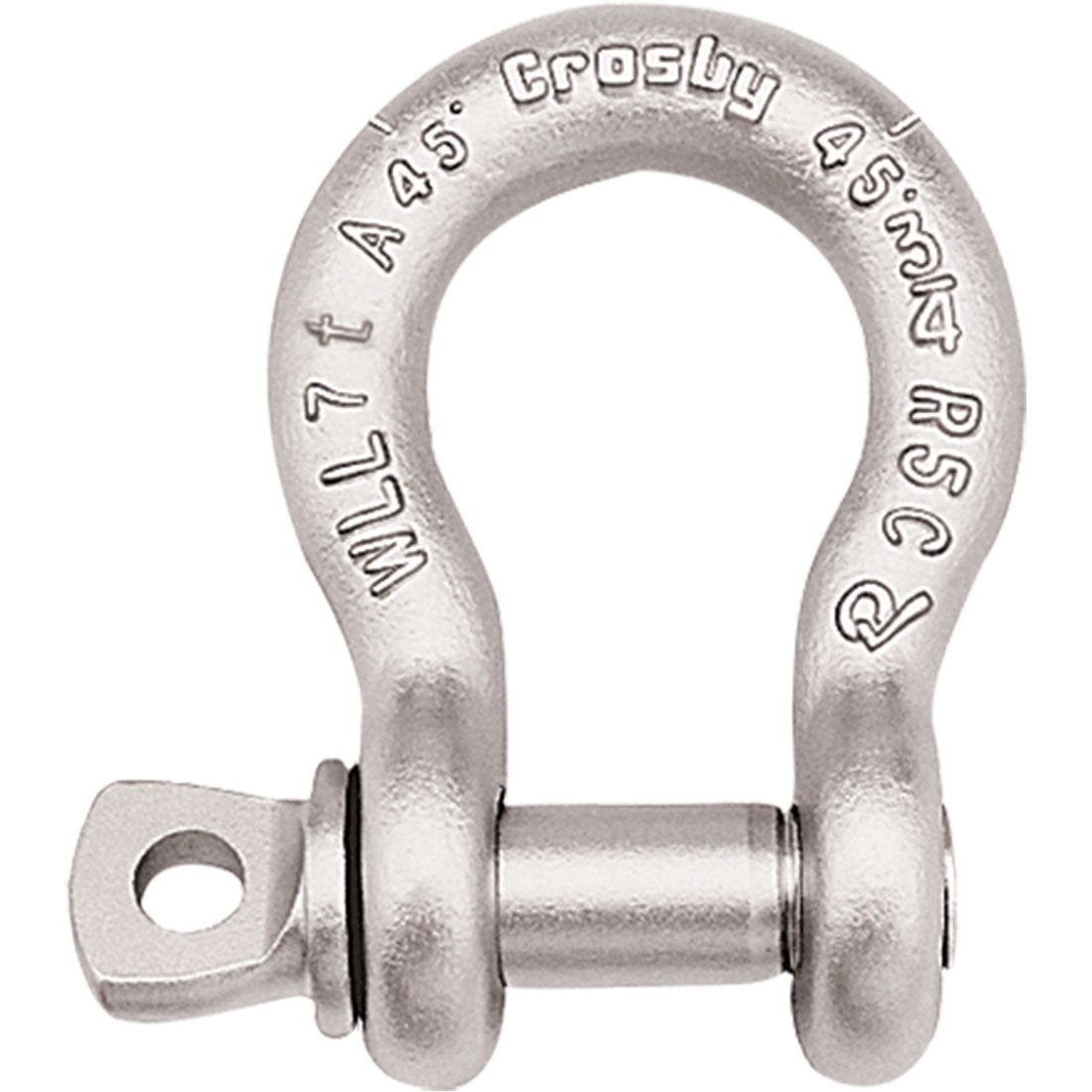
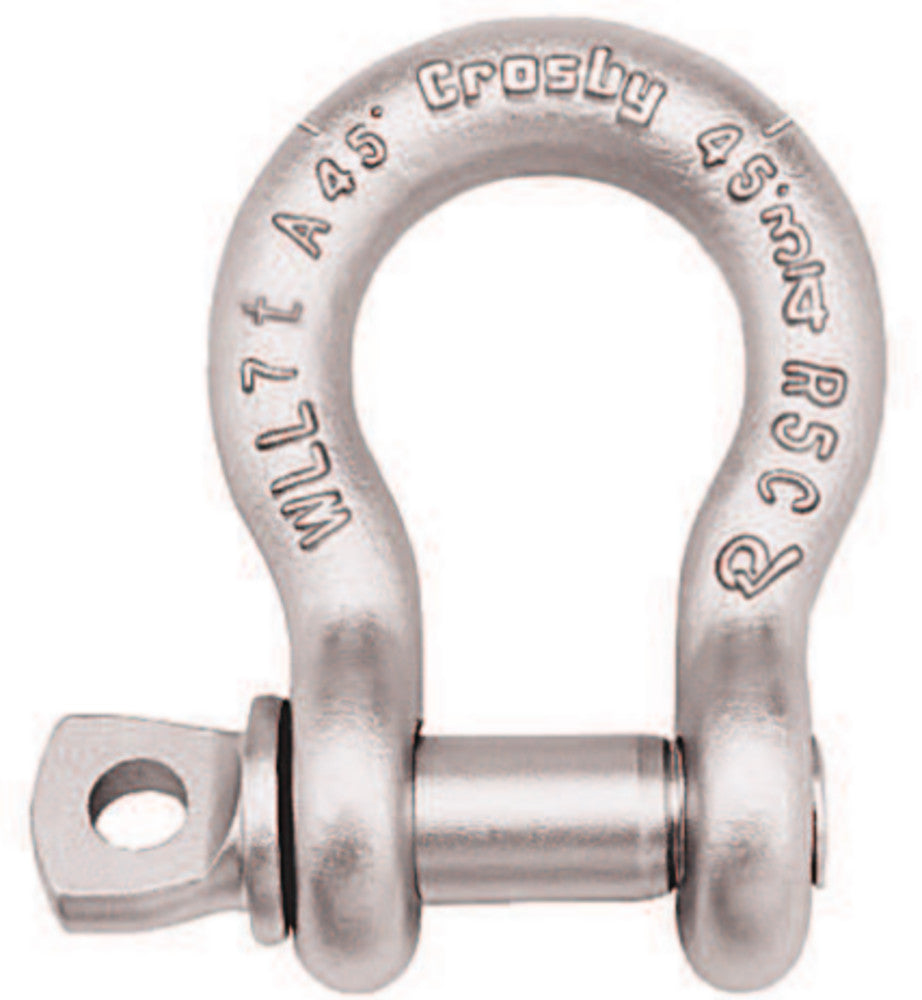
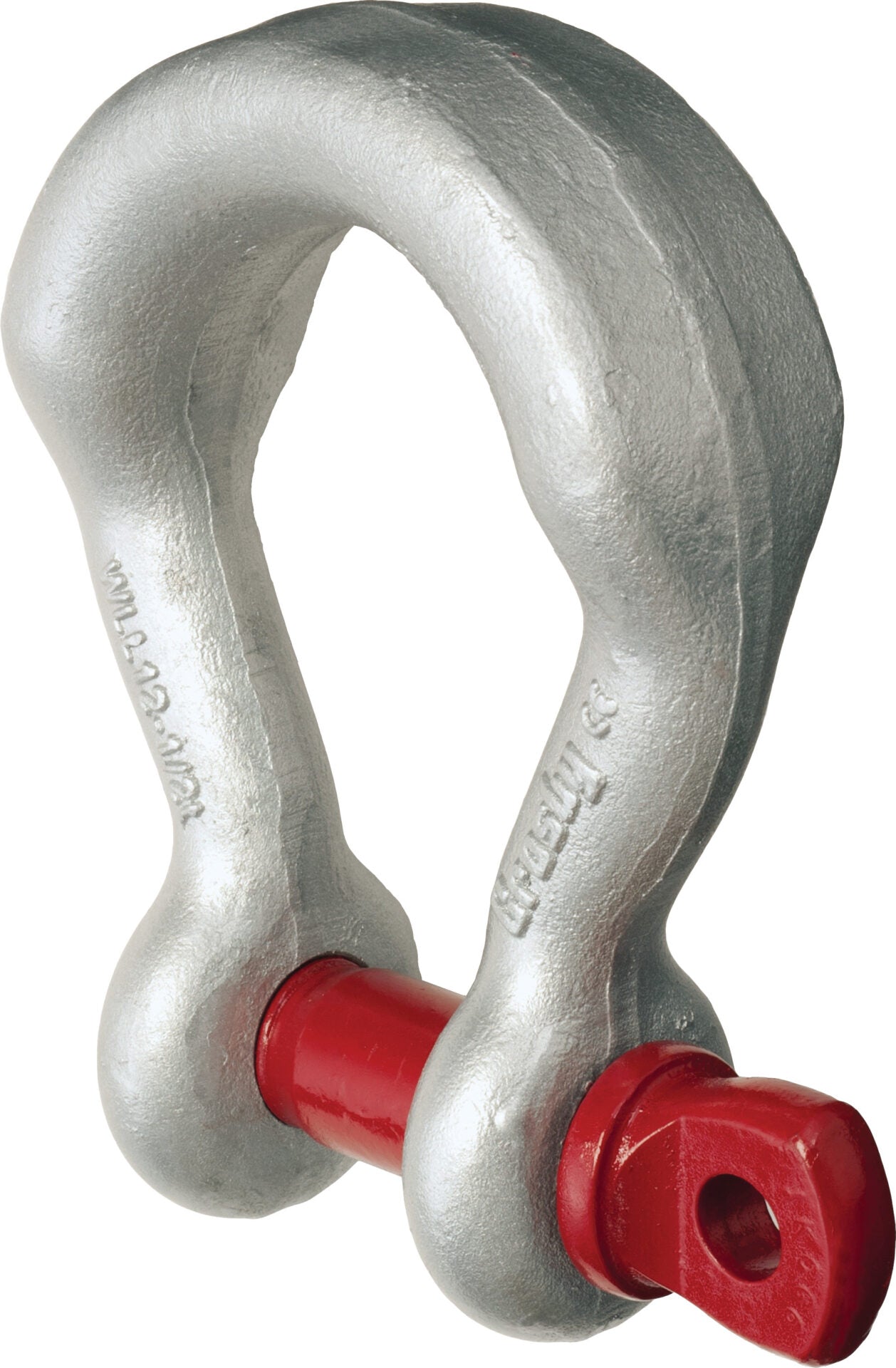
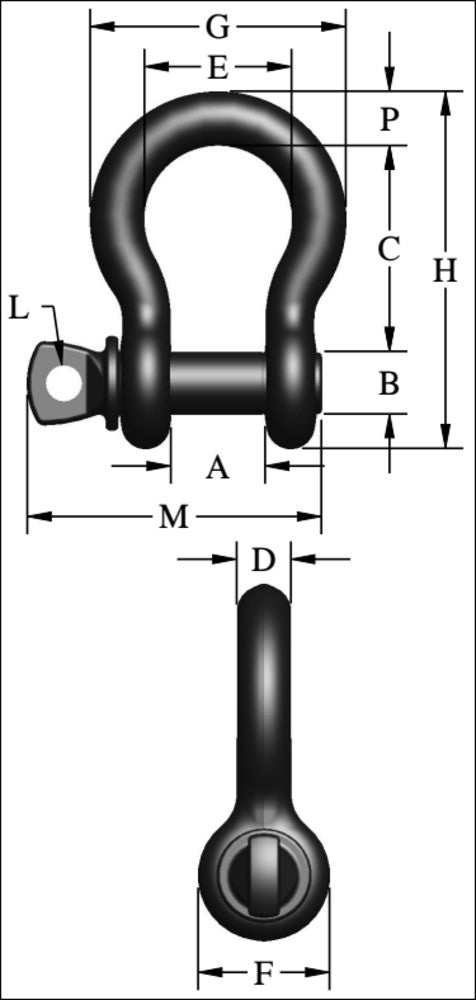
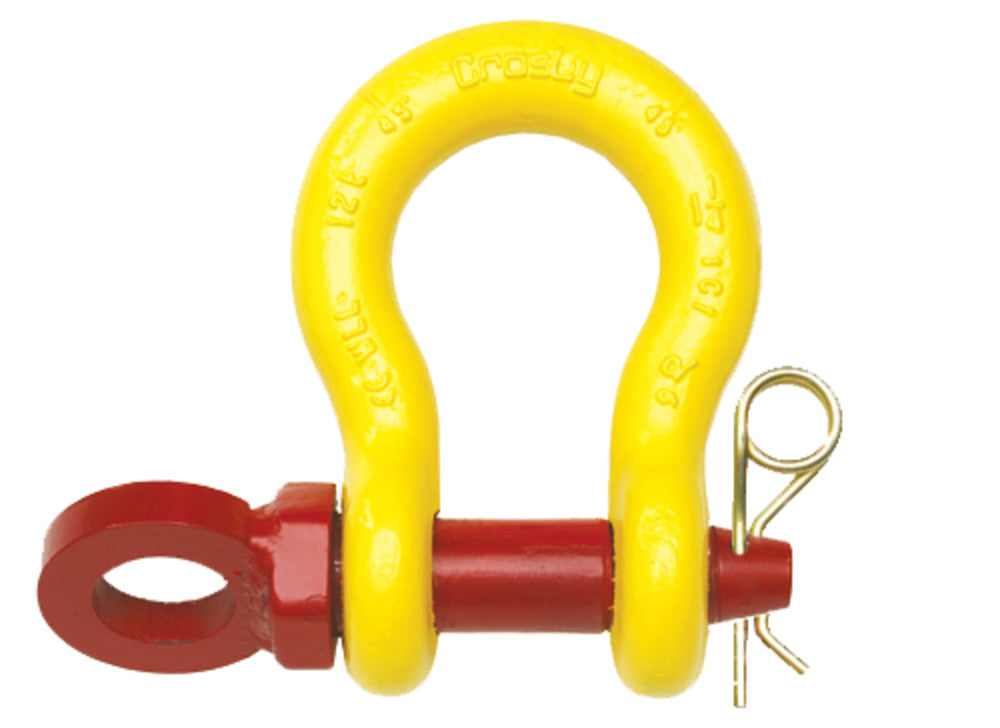
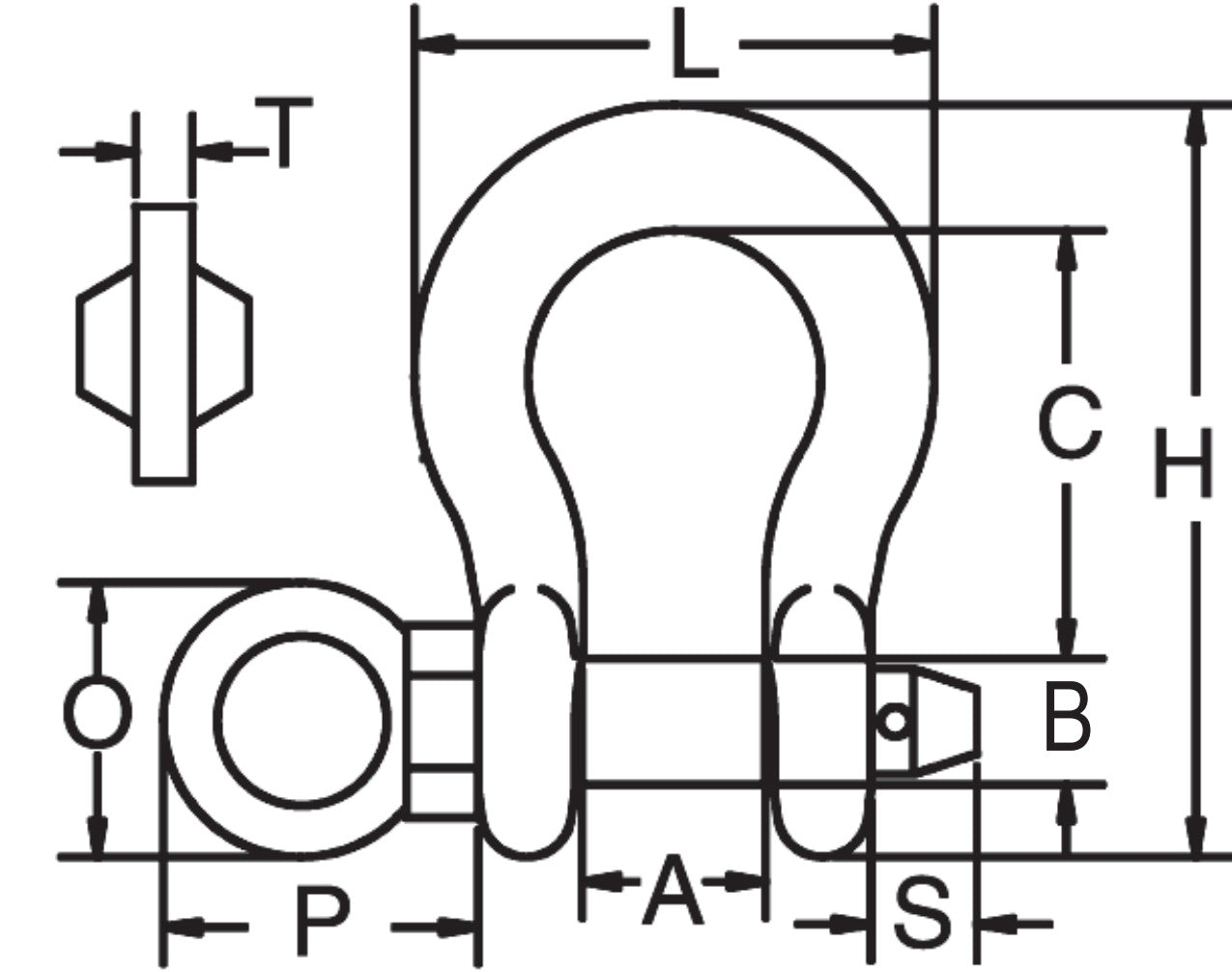
A shackle is a U- or bow-shaped body closed by a removable pin. It’s the workhorse connector of rigging — joining a sling to a load, a sling to a hook, or one rigging component to another. The right choice comes down to four things: body shape, pin type, finish, and rated capacity. SlingCenter stocks Crosby® and Green Pin® (Van Beest) shackles for every one of them.
Shackle types
| Type | Shape | Best for | Watch-out |
|---|---|---|---|
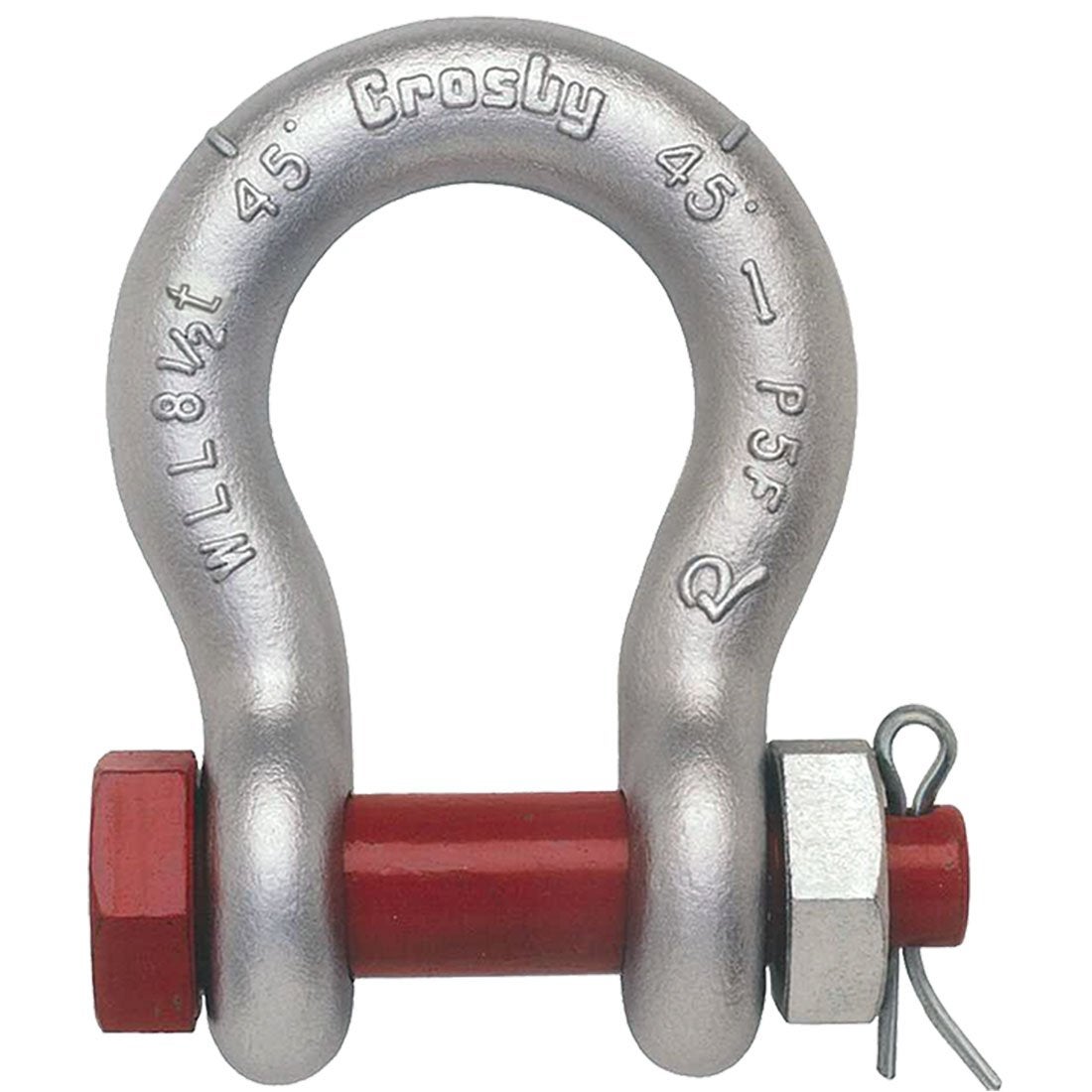
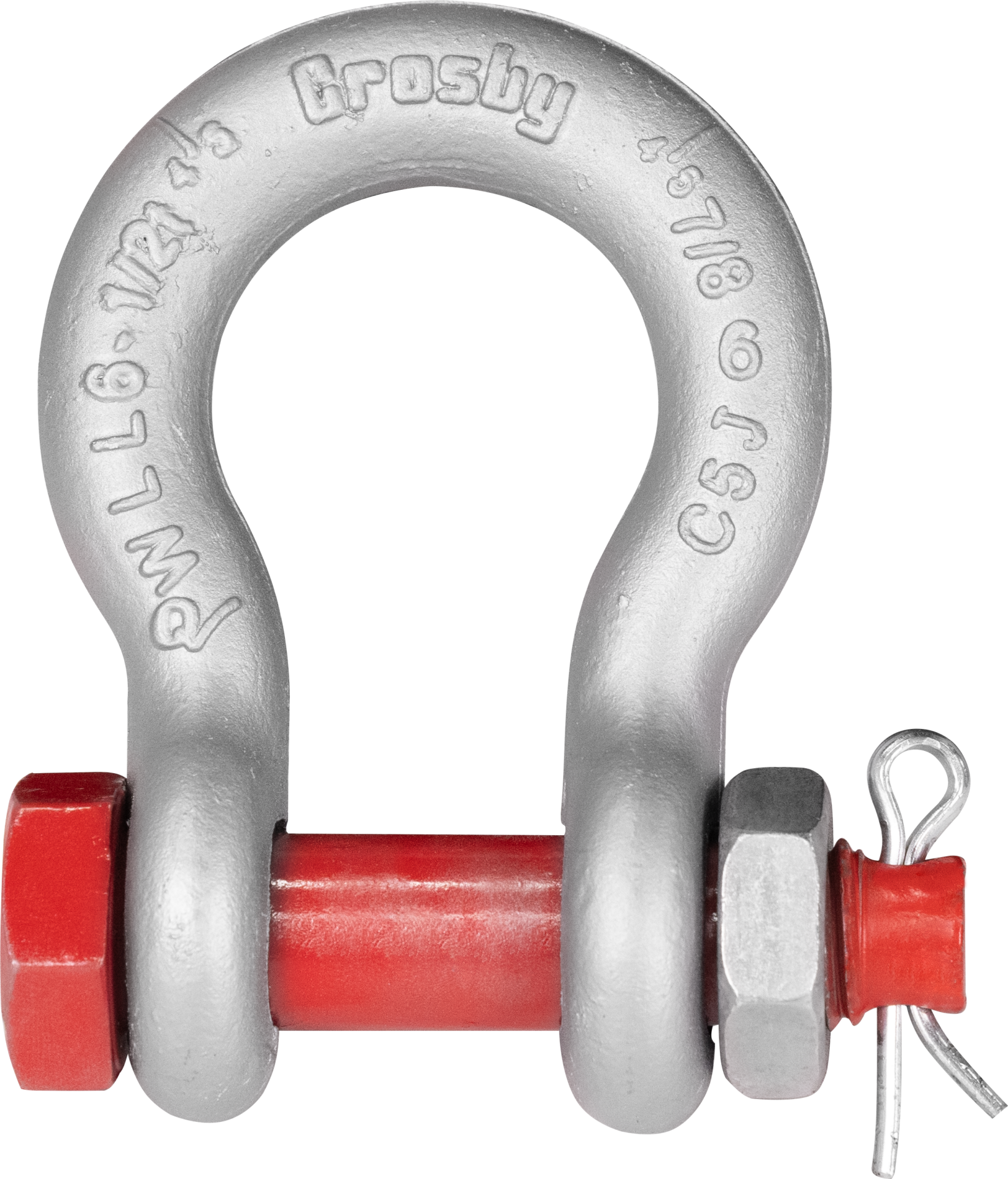
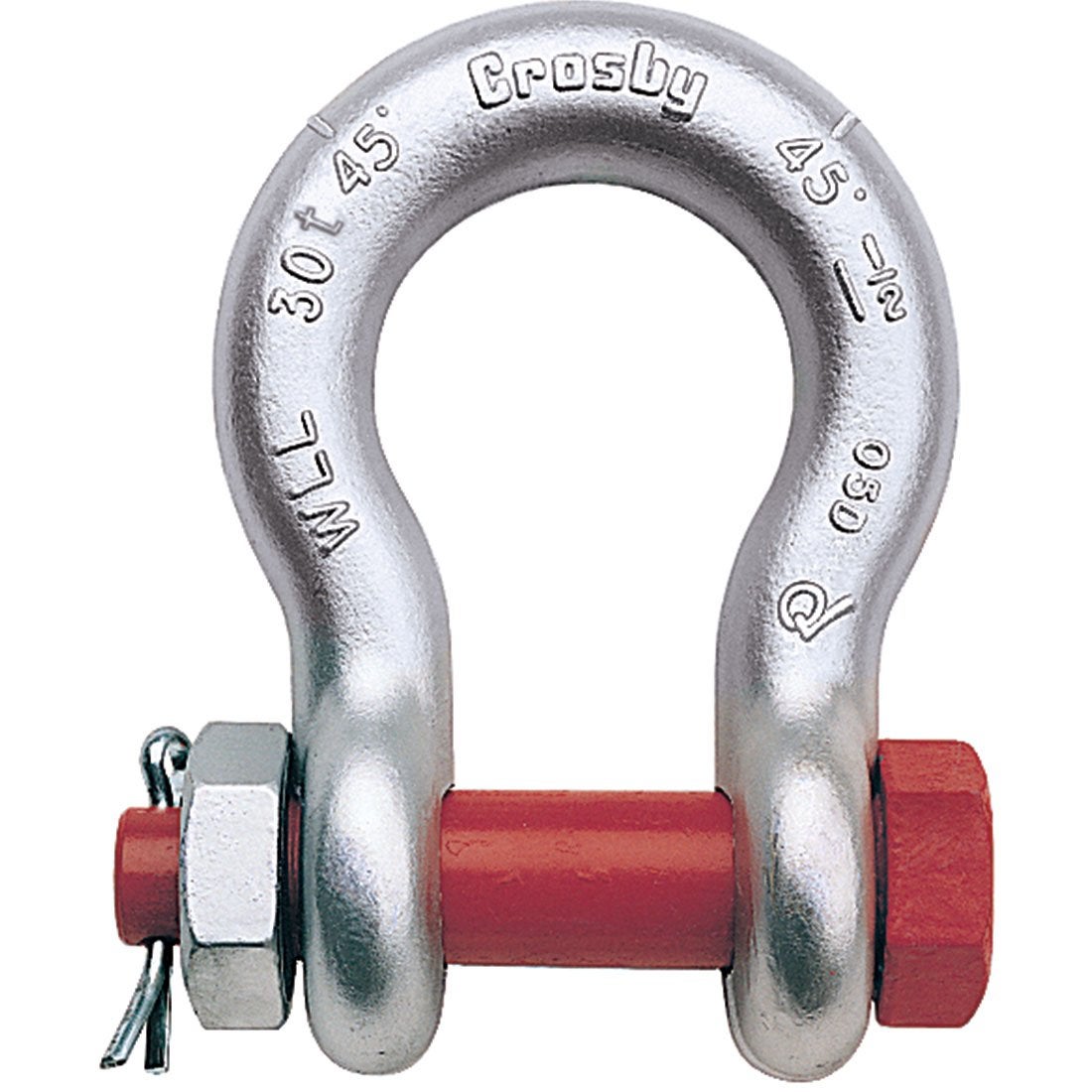
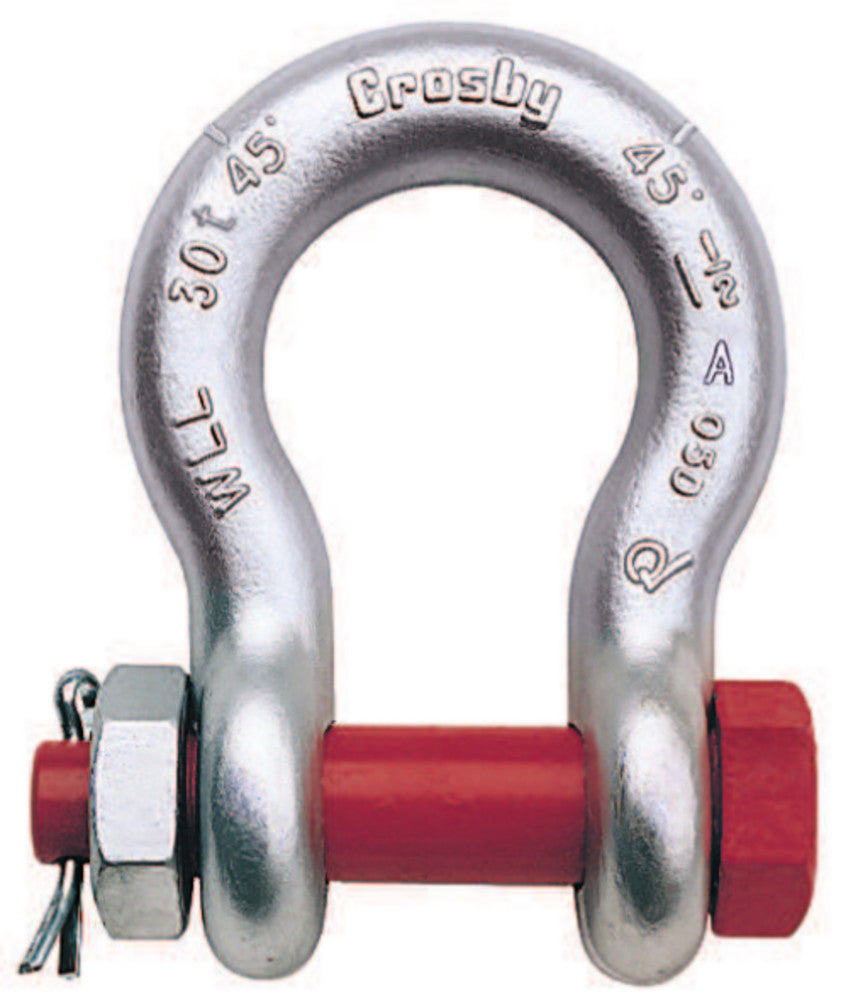
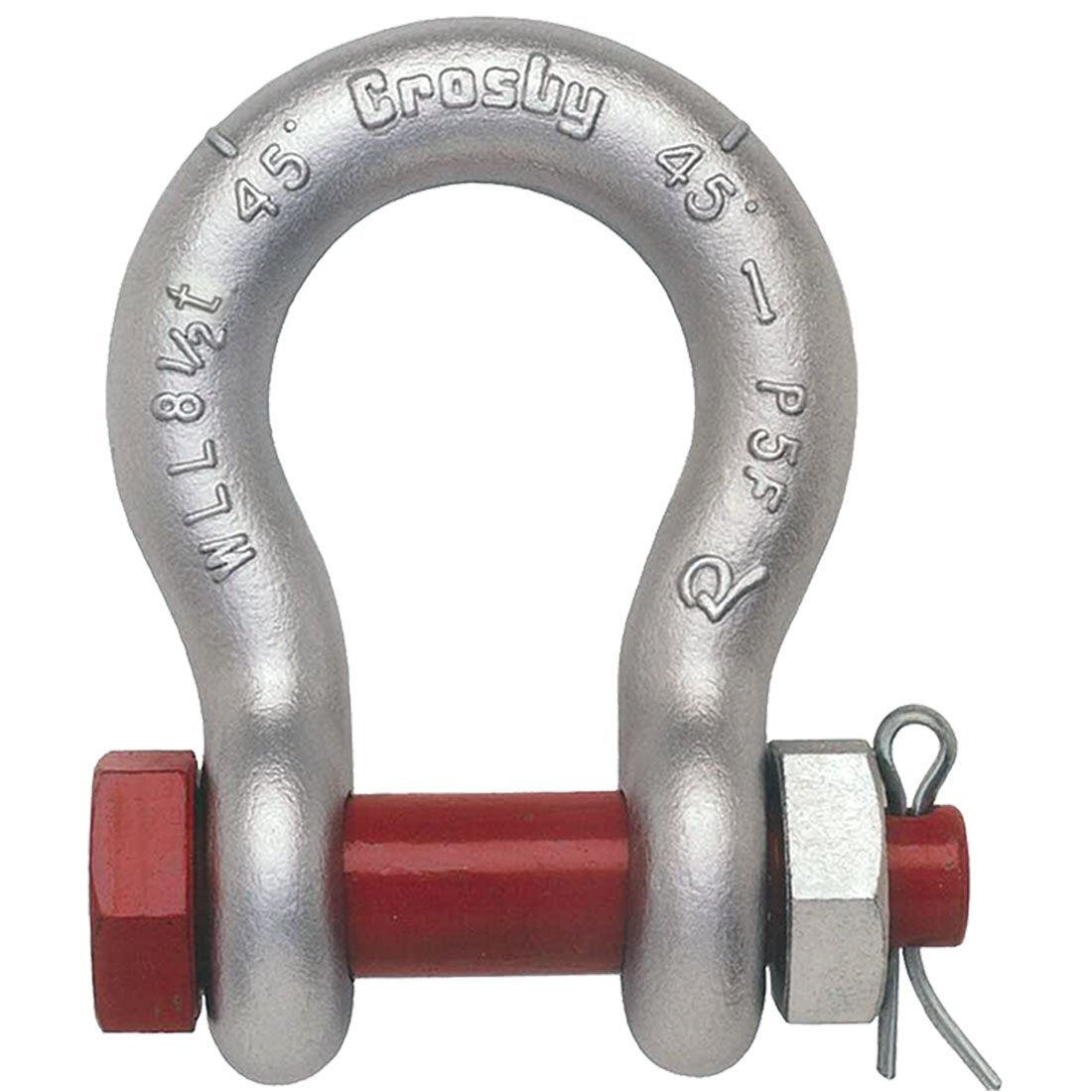
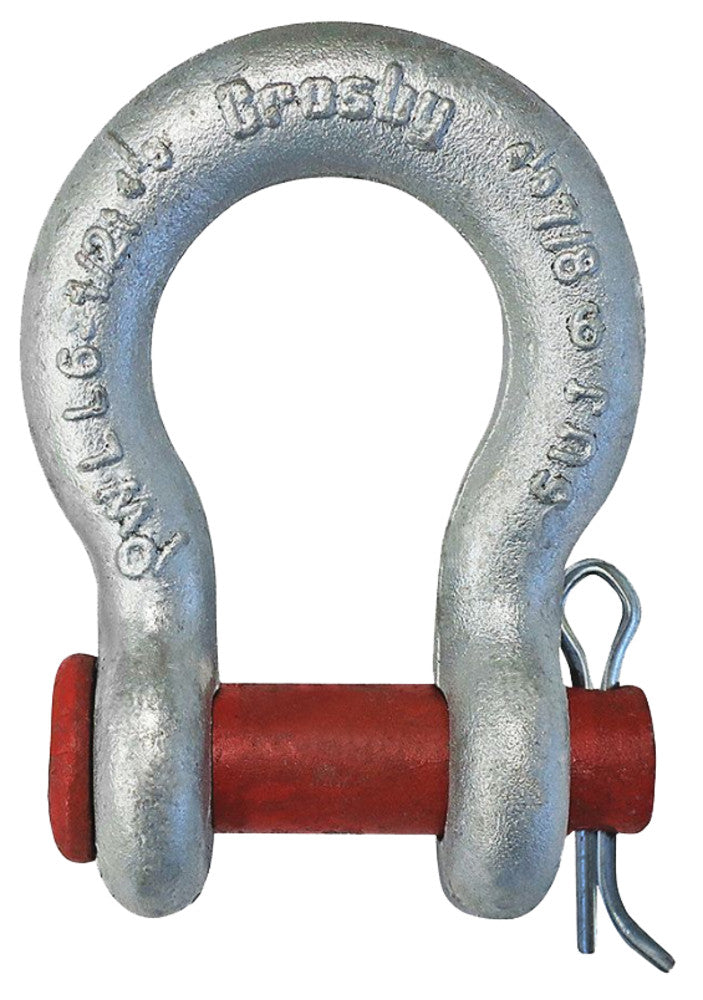
| Bow / Anchor | Rounded “O” bow | Multi-leg & multi-direction loading; wider slings and straps | Lower WLL than a same-size D shackle |
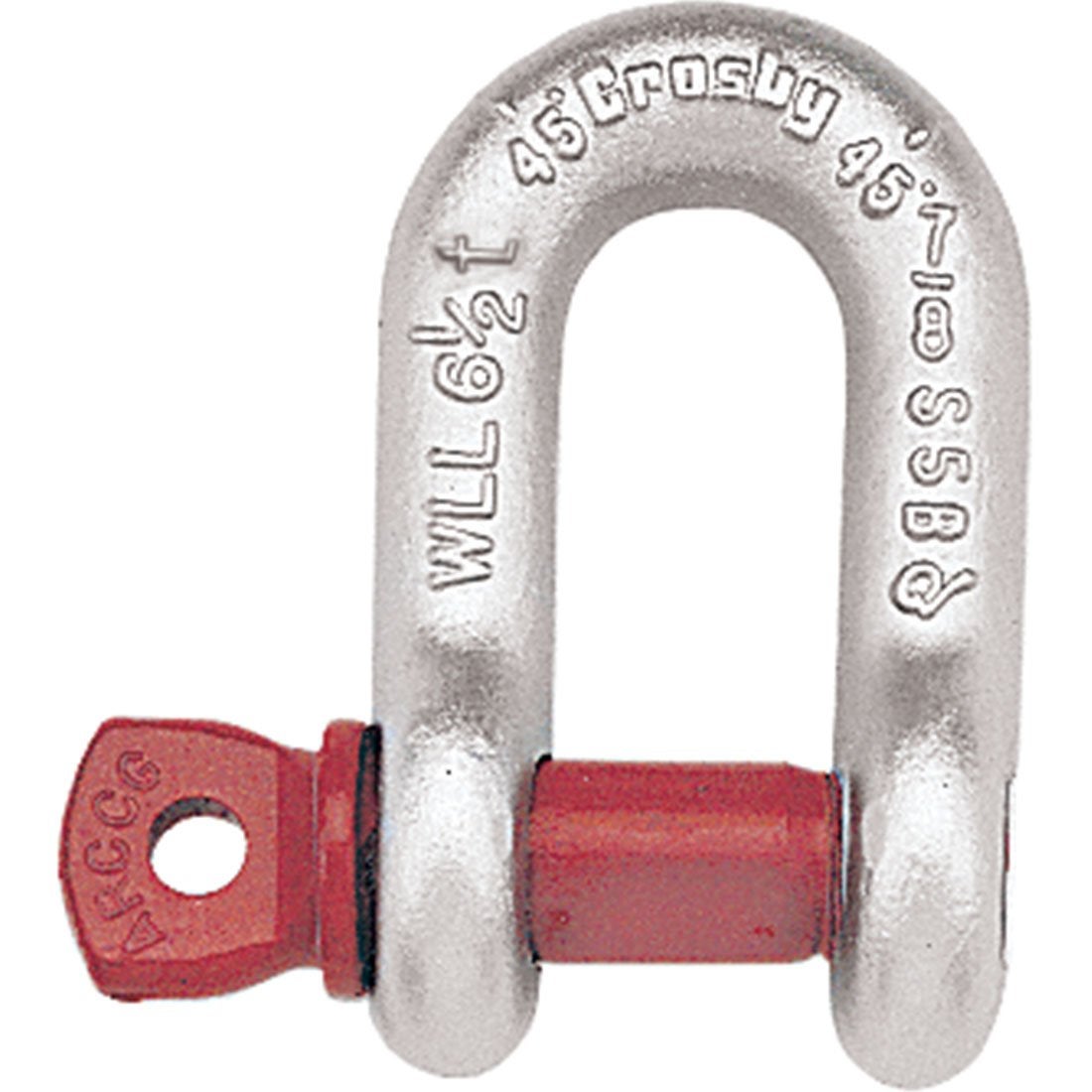
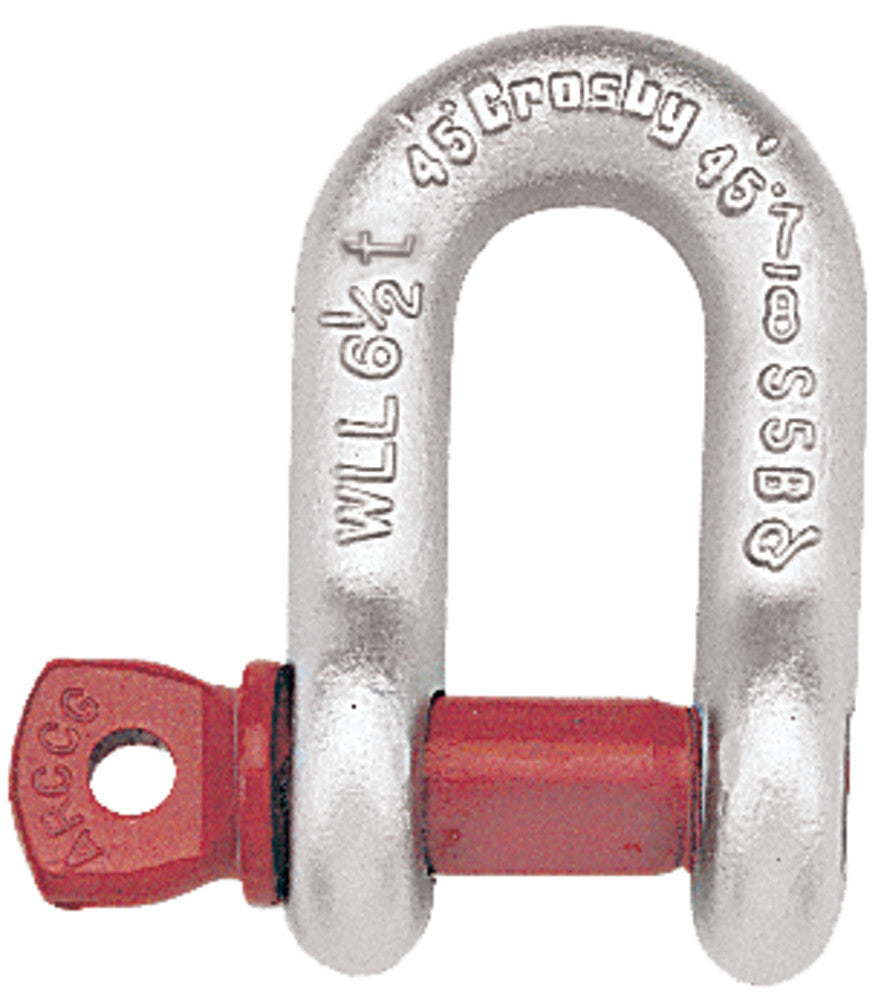
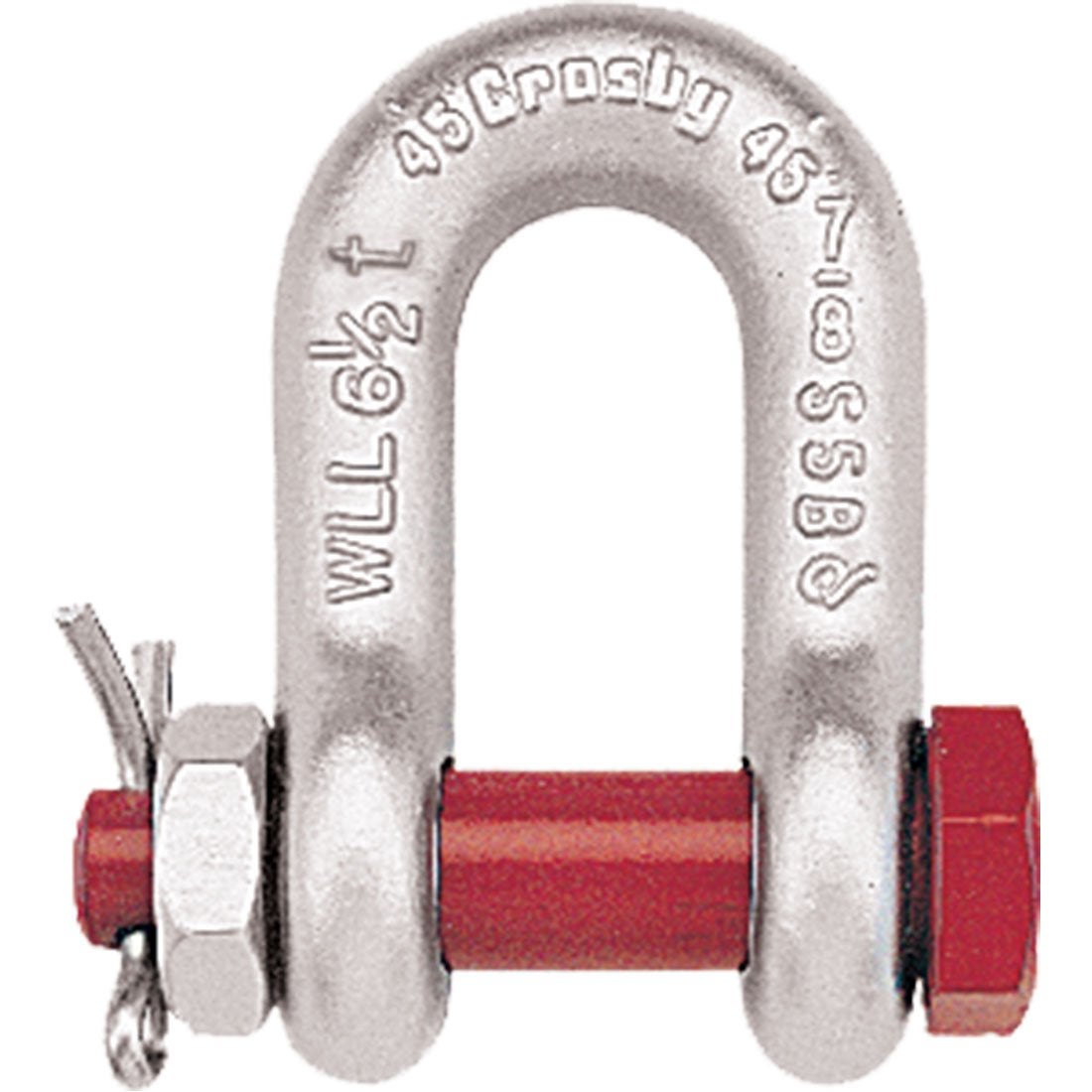
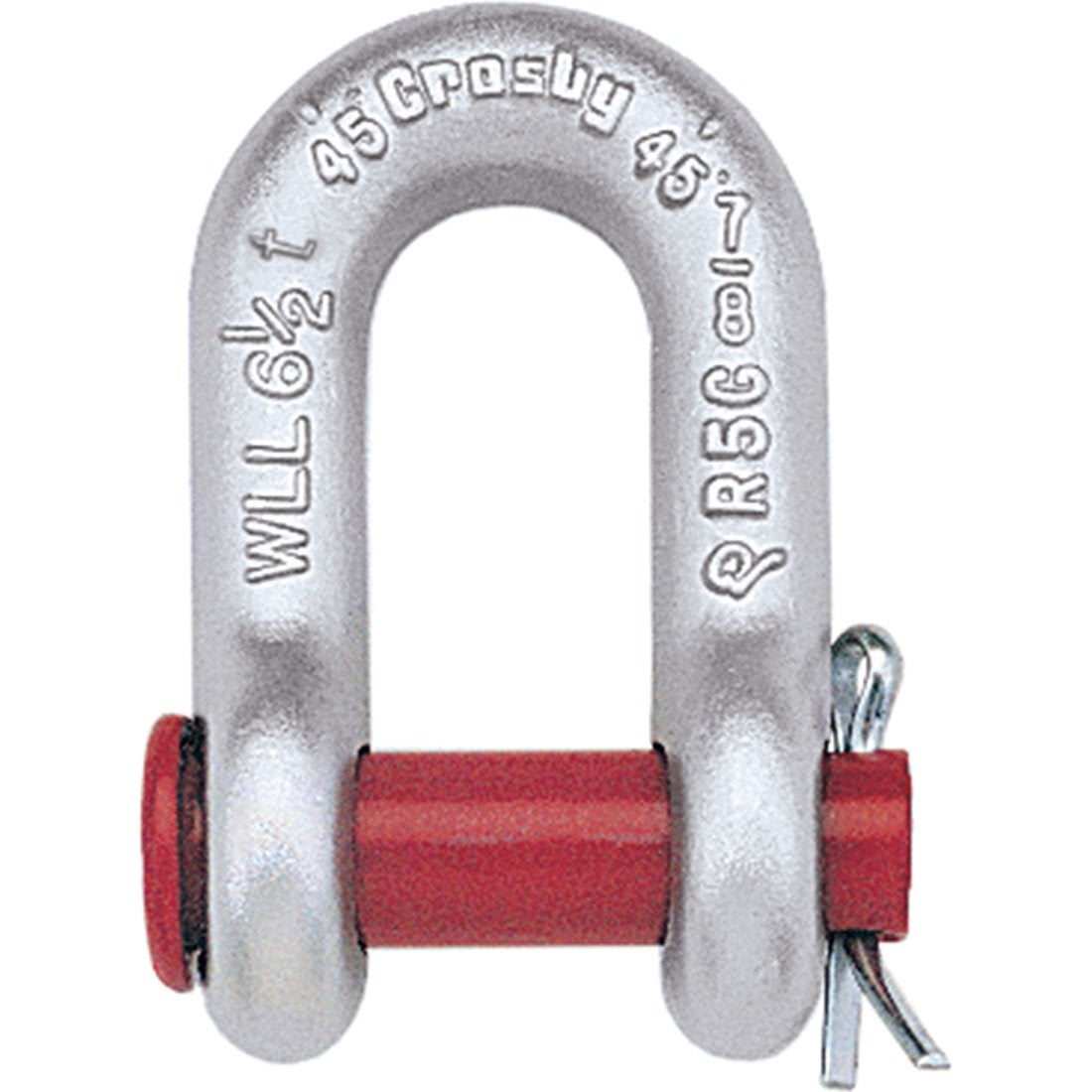
| Chain / Dee | Narrow “D” | Straight, in-line pulls at higher capacity | Not for side (racking) loads — can bend or twist |
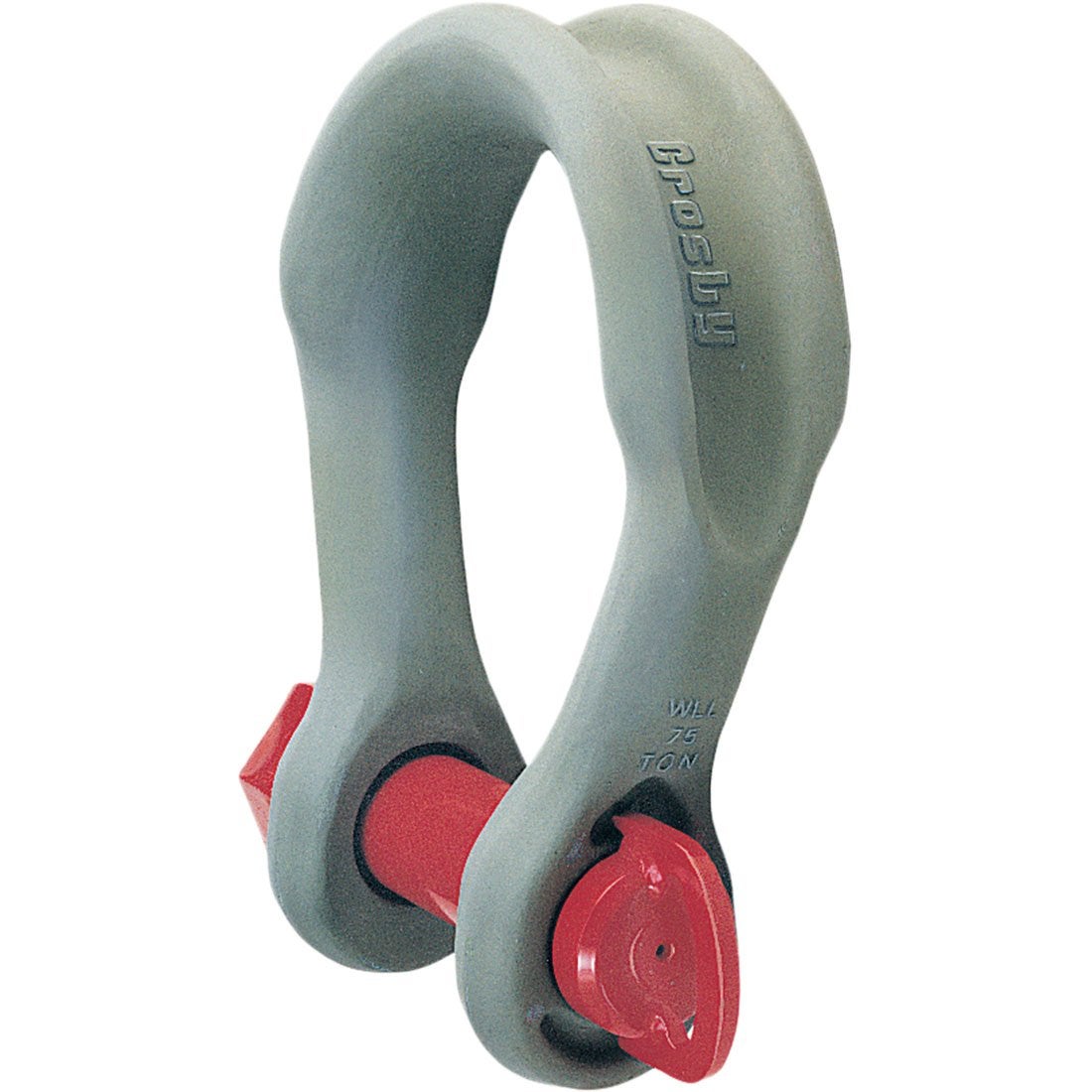
| Wide Body | Enlarged bow radius | Wire rope & synthetic slings; extends sling life, often removes the need for a thimble | Larger and heavier |
| Sling-Saver | Expanded bow for soft slings | Synthetic web & round slings — boosts sling efficiency | Purpose-built; match to the sling width |
Rule of thumb: a bow/anchor shackle takes load from several directions, so it’s the go-to for multi-leg picks; a chain/Dee shackle carries more in a straight line but should only be loaded in-line.
Pin types
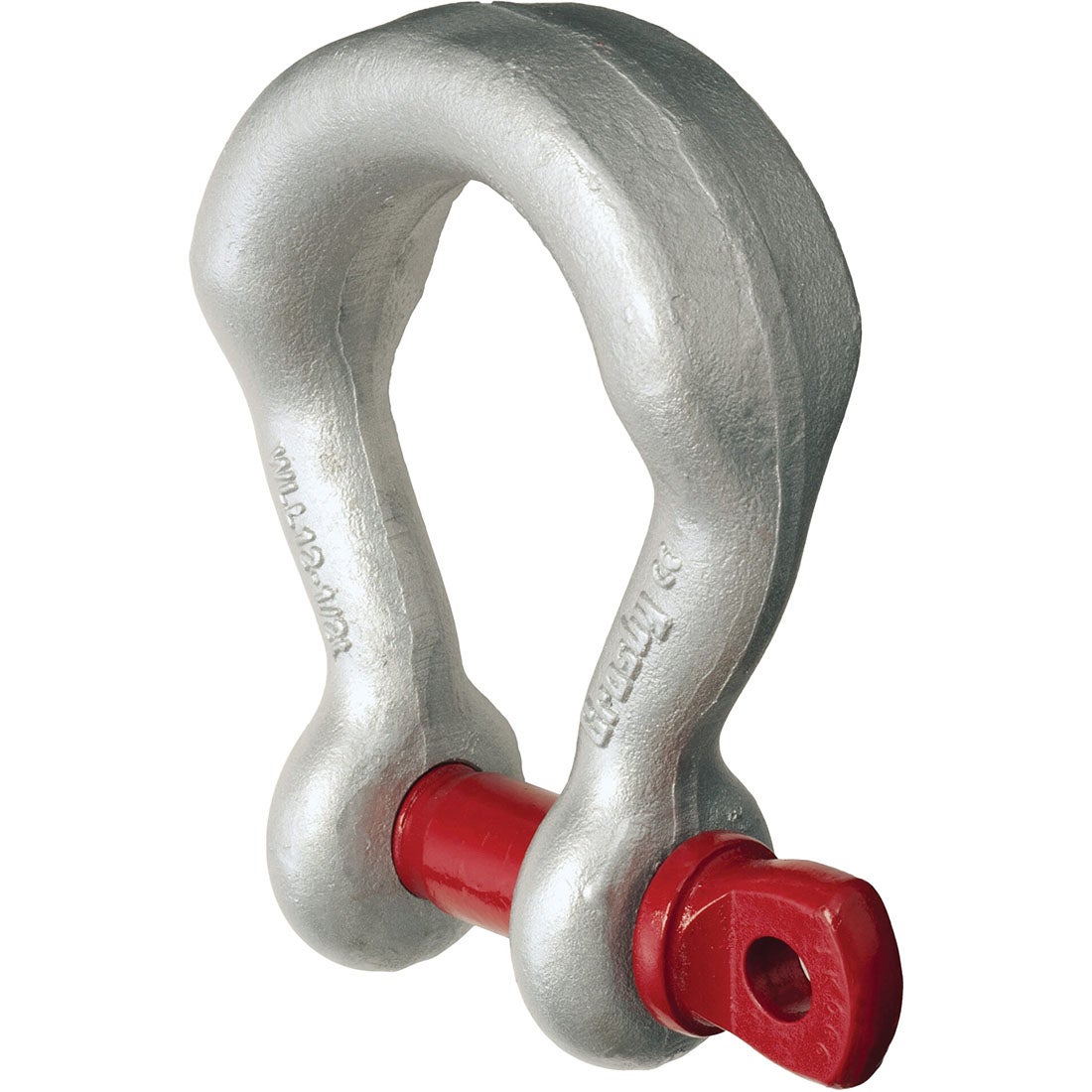
- Screw pin — threads in and out by hand; fast to connect and disconnect for temporary or frequently-changed rigging. Mouse (secure) the pin if it could rotate and back out under load.
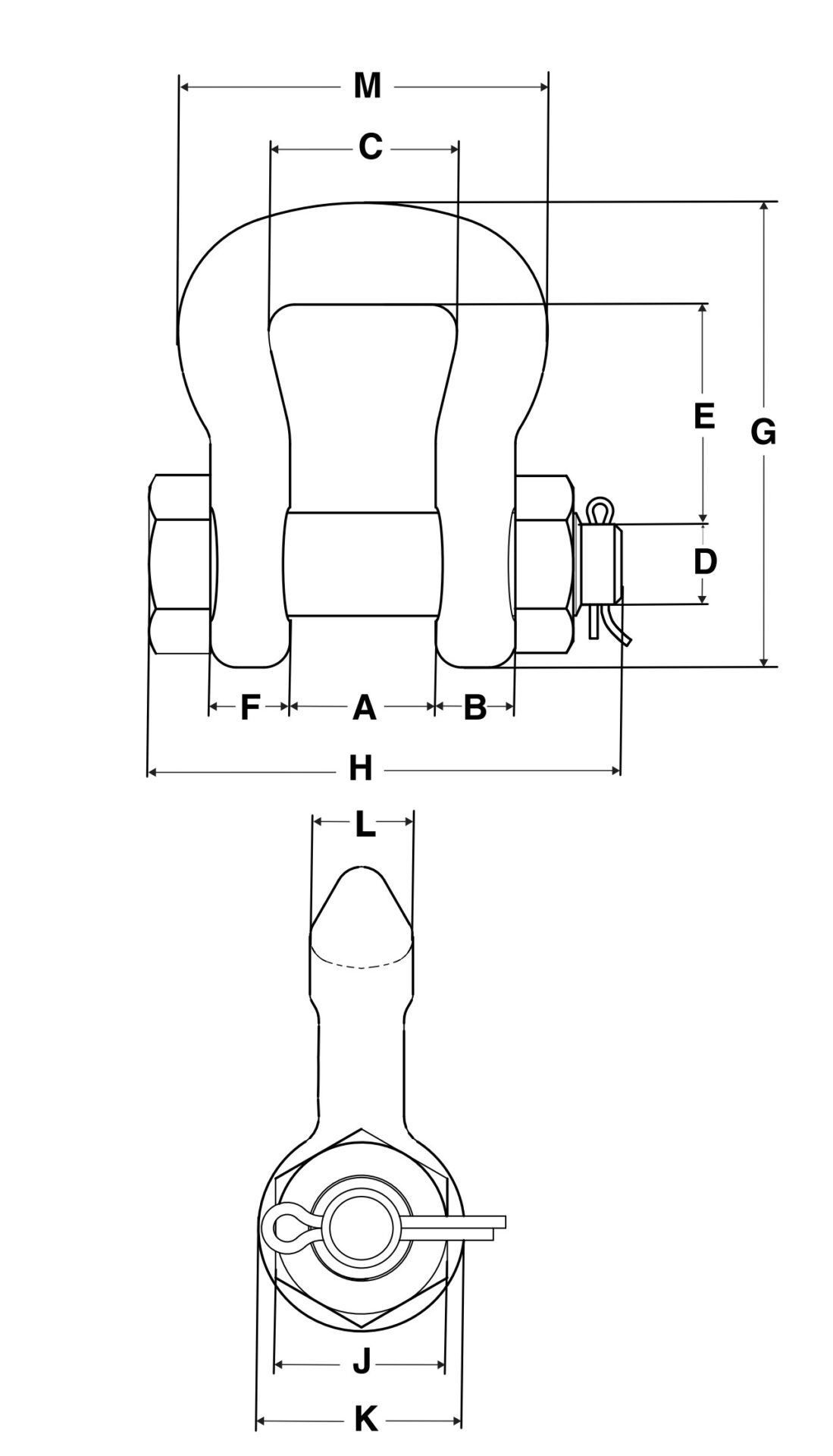
- Bolt type — bolt, nut, and cotter pin; the choice for permanent or long-term installs and any lift where the load may slide on and rotate the pin.
- Round pin — held by a cotter pin; good where the pin sees torque or twisting, but not for straight axial pull.
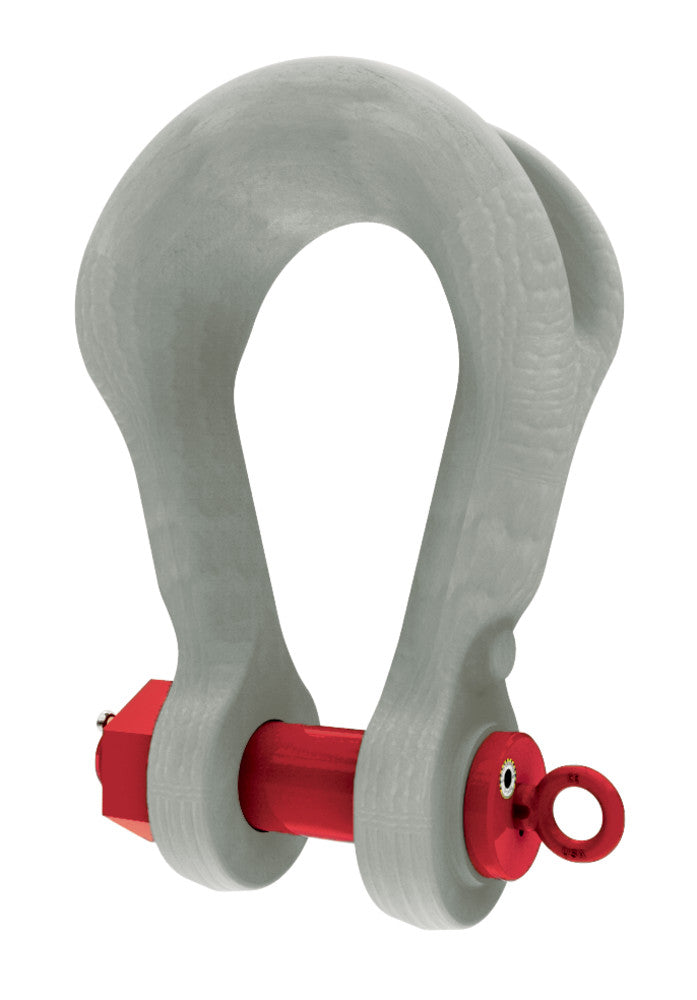
- Captive pin — cannot fall out of the bow; essential for marine and overhead work where a dropped pin is a hazard.
Finishes: galvanized vs. stainless
- Hot-dip galvanized — a tough zinc coating for corrosion resistance at a lower cost; ideal for most industrial, non-marine work.
- Type 316 stainless — “marine grade” with added molybdenum for salt-spray and high-chloride environments; the choice for offshore, dock, and yacht rigging.
Brands we carry
- Crosby® — load- and fatigue-rated, quenched-and-tempered, with one of the highest design factors in the industry (6:1 on many shackles) and forged-in traceability.
- Green Pin® (Van Beest) — European-made, hot-dip galvanized, with the signature green pin for quick identification; grade 6/8 steel.
Choosing the right shackle
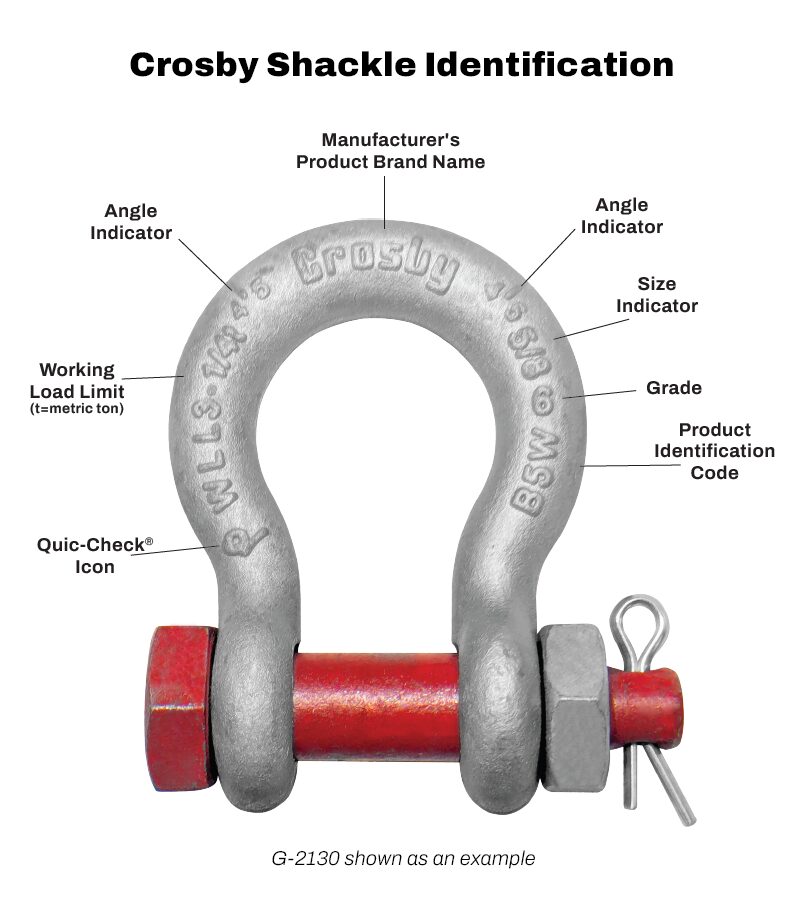
- Rated capacity (WLL) — must meet or exceed the load; the WLL is embossed on the bow. Never guess from size.
- Loading direction — bow/anchor for multi-direction, Dee for in-line only. Avoid side loading unless the shackle is rated for it.
- Pin type — screw pin for temporary, bolt type for permanent, captive for overhead/marine.
- Finish — galvanized for industrial, 316 stainless for marine.
- Sling type — step up to a wide-body or Sling-Saver when connecting synthetic or wire rope slings to protect and extend them.
Standards & safe use
Our shackles conform to ASME B30.26 (rigging hardware) and, where noted, Federal Specification RR-C-271 or EN 13889. Always match the shackle to the lowest-rated component in the assembly, seat the pin fully, and remove any shackle from service that is bent, worn, corroded, or missing its pin or WLL marking.
Shackle FAQs
Screw pin or bolt type? Screw pin for temporary, frequently-changed connections; bolt type for permanent installs or where the pin could rotate under a shifting load.
Why is a bow shackle rated lower than a Dee of the same size? The wider bow trades some straight-line capacity for the ability to take load from multiple directions.
Can I side-load a shackle? Only if it’s rated for it — side (racking) loads reduce capacity and can bend a Dee shackle. Use a bow shackle for angled pulls.
Complete lifting solutions
Shackles connect the whole system. Pair them with web slings, round slings, wire rope slings, chain slings, and hooks. Not sure which shackle fits? Talk to a rigging specialist — staffed by working riggers, not call-center reps.
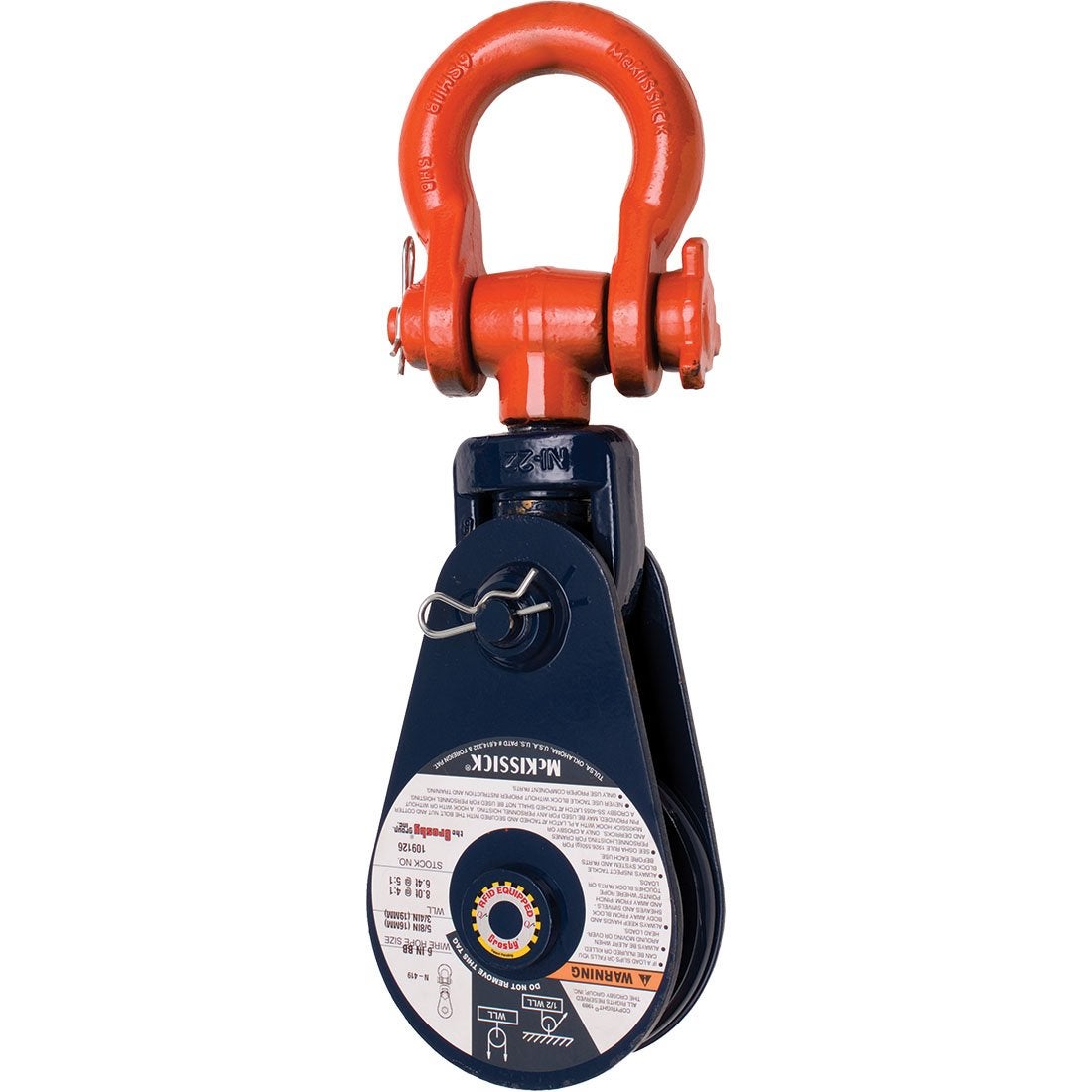
Shackles are the most versatile rigging hardware in overhead lifting. Connect a sling to a load, or join rigging components to each other. Picking the right type, grade, and size is critical to a safe lift. Want the full story? Read our Shackles Guide →
How to Choose the Right Shackle
A shackle is a U- or bow-shaped body closed by a removable pin. It’s the workhorse connector of rigging — joining a sling to a load, a sling to a hook, or one rigging component to another. The right choice comes down to four things: body shape, pin type, finish, and rated capacity. SlingCenter stocks Crosby® and Green Pin® (Van Beest) shackles for every one of them.
Shackle types
| Type | Shape | Best for | Watch-out |
|---|---|---|---|
| Bow / Anchor | Rounded “O” bow | Multi-leg & multi-direction loading; wider slings and straps | Lower WLL than a same-size D shackle |
| Chain / Dee | Narrow “D” | Straight, in-line pulls at higher capacity | Not for side (racking) loads — can bend or twist |
| Wide Body | Enlarged bow radius | Wire rope & synthetic slings; extends sling life, often removes the need for a thimble | Larger and heavier |
| Sling-Saver | Expanded bow for soft slings | Synthetic web & round slings — boosts sling efficiency | Purpose-built; match to the sling width |
Rule of thumb: a bow/anchor shackle takes load from several directions, so it’s the go-to for multi-leg picks; a chain/Dee shackle carries more in a straight line but should only be loaded in-line.
Pin types
- Screw pin — threads in and out by hand; fast to connect and disconnect for temporary or frequently-changed rigging. Mouse (secure) the pin if it could rotate and back out under load.
- Bolt type — bolt, nut, and cotter pin; the choice for permanent or long-term installs and any lift where the load may slide on and rotate the pin.
- Round pin — held by a cotter pin; good where the pin sees torque or twisting, but not for straight axial pull.
- Captive pin — cannot fall out of the bow; essential for marine and overhead work where a dropped pin is a hazard.
Finishes: galvanized vs. stainless
- Hot-dip galvanized — a tough zinc coating for corrosion resistance at a lower cost; ideal for most industrial, non-marine work.
- Type 316 stainless — “marine grade” with added molybdenum for salt-spray and high-chloride environments; the choice for offshore, dock, and yacht rigging.
Brands we carry
- Crosby® — load- and fatigue-rated, quenched-and-tempered, with one of the highest design factors in the industry (6:1 on many shackles) and forged-in traceability.
- Green Pin® (Van Beest) — European-made, hot-dip galvanized, with the signature green pin for quick identification; grade 6/8 steel.
Choosing the right shackle
- Rated capacity (WLL) — must meet or exceed the load; the WLL is embossed on the bow. Never guess from size.
- Loading direction — bow/anchor for multi-direction, Dee for in-line only. Avoid side loading unless the shackle is rated for it.
- Pin type — screw pin for temporary, bolt type for permanent, captive for overhead/marine.
- Finish — galvanized for industrial, 316 stainless for marine.
- Sling type — step up to a wide-body or Sling-Saver when connecting synthetic or wire rope slings to protect and extend them.
Standards & safe use
Our shackles conform to ASME B30.26 (rigging hardware) and, where noted, Federal Specification RR-C-271 or EN 13889. Always match the shackle to the lowest-rated component in the assembly, seat the pin fully, and remove any shackle from service that is bent, worn, corroded, or missing its pin or WLL marking.
Shackle FAQs
Screw pin or bolt type? Screw pin for temporary, frequently-changed connections; bolt type for permanent installs or where the pin could rotate under a shifting load.
Why is a bow shackle rated lower than a Dee of the same size? The wider bow trades some straight-line capacity for the ability to take load from multiple directions.
Can I side-load a shackle? Only if it’s rated for it — side (racking) loads reduce capacity and can bend a Dee shackle. Use a bow shackle for angled pulls.
Complete lifting solutions
Shackles connect the whole system. Pair them with web slings, round slings, wire rope slings, chain slings, and hooks. Not sure which shackle fits? Talk to a rigging specialist — staffed by working riggers, not call-center reps.