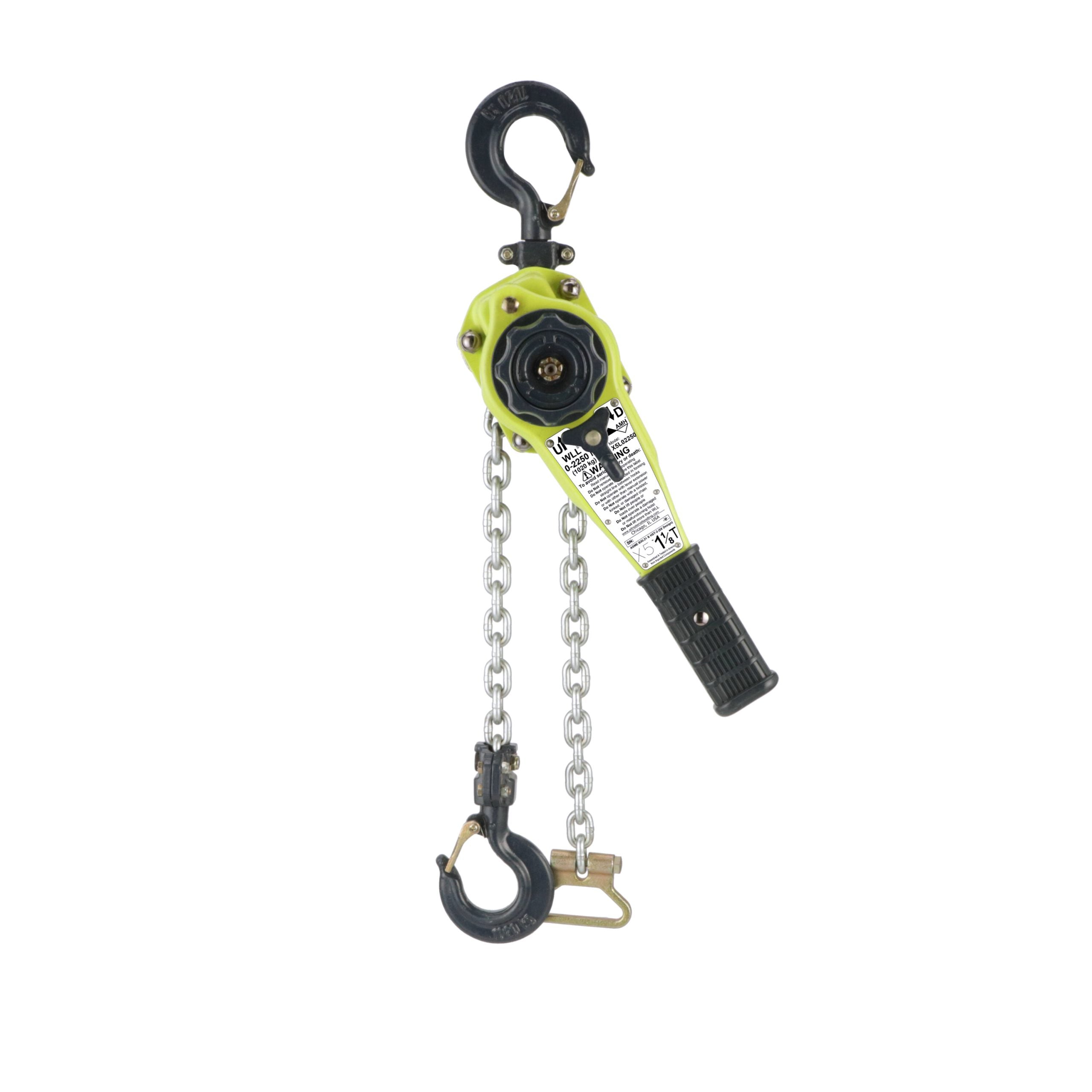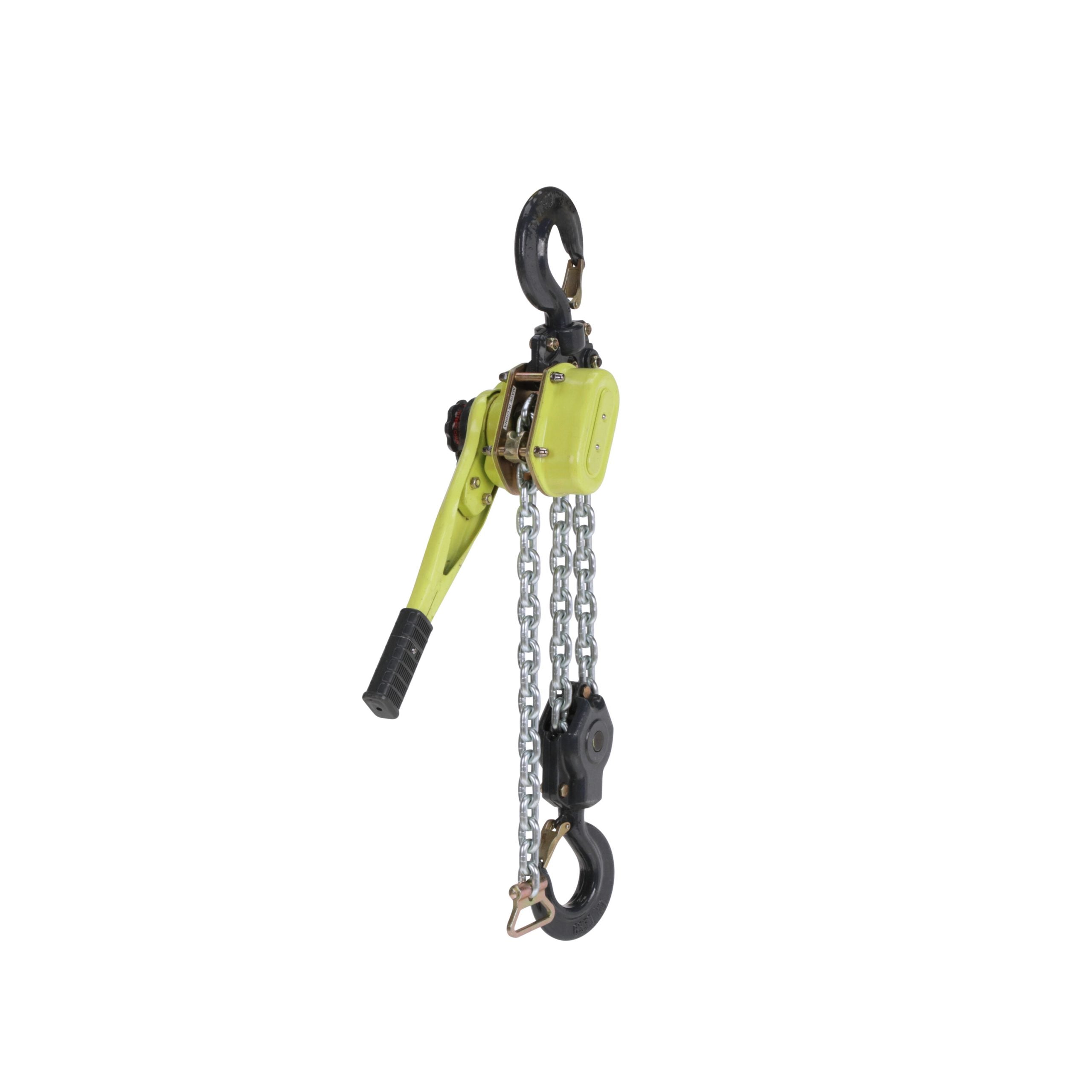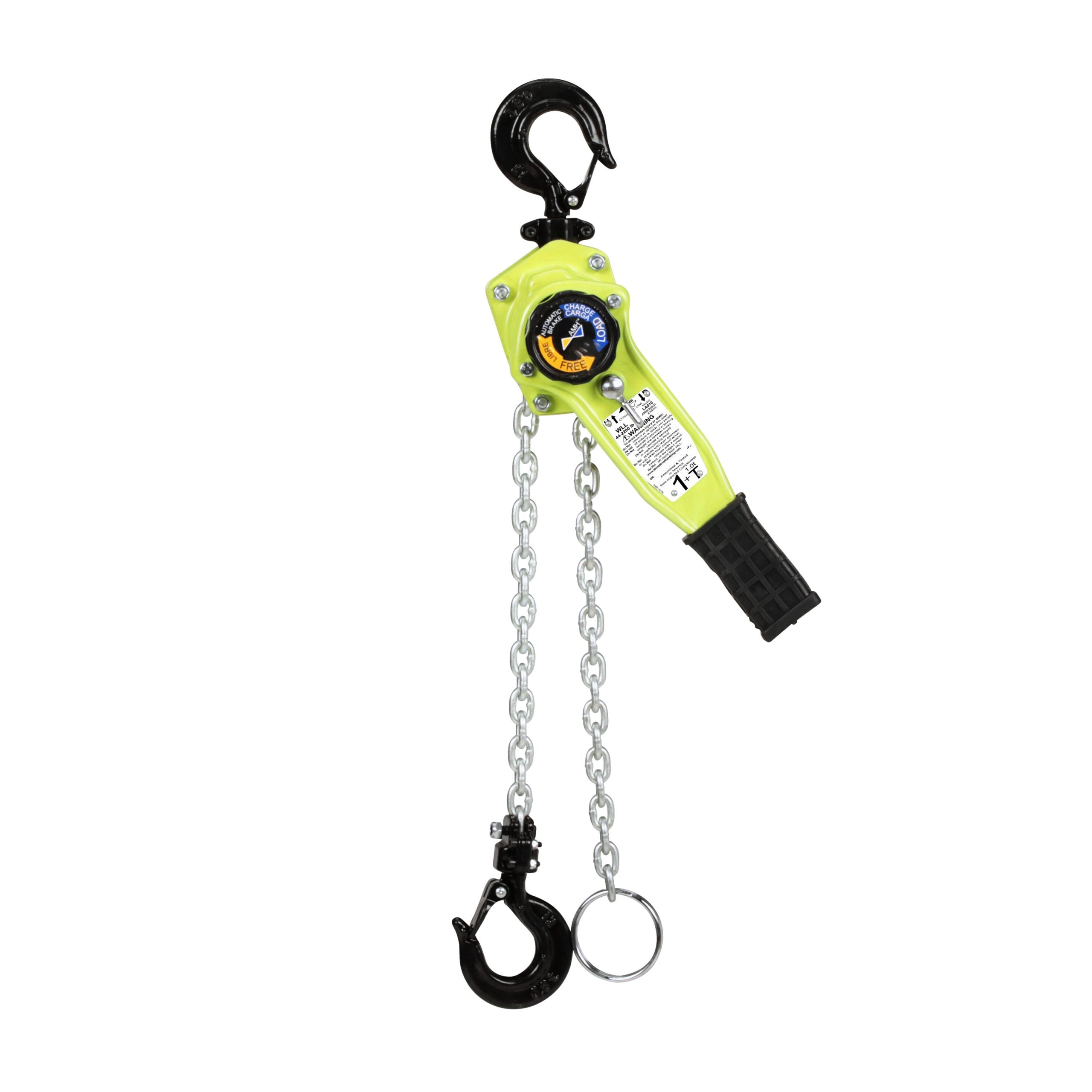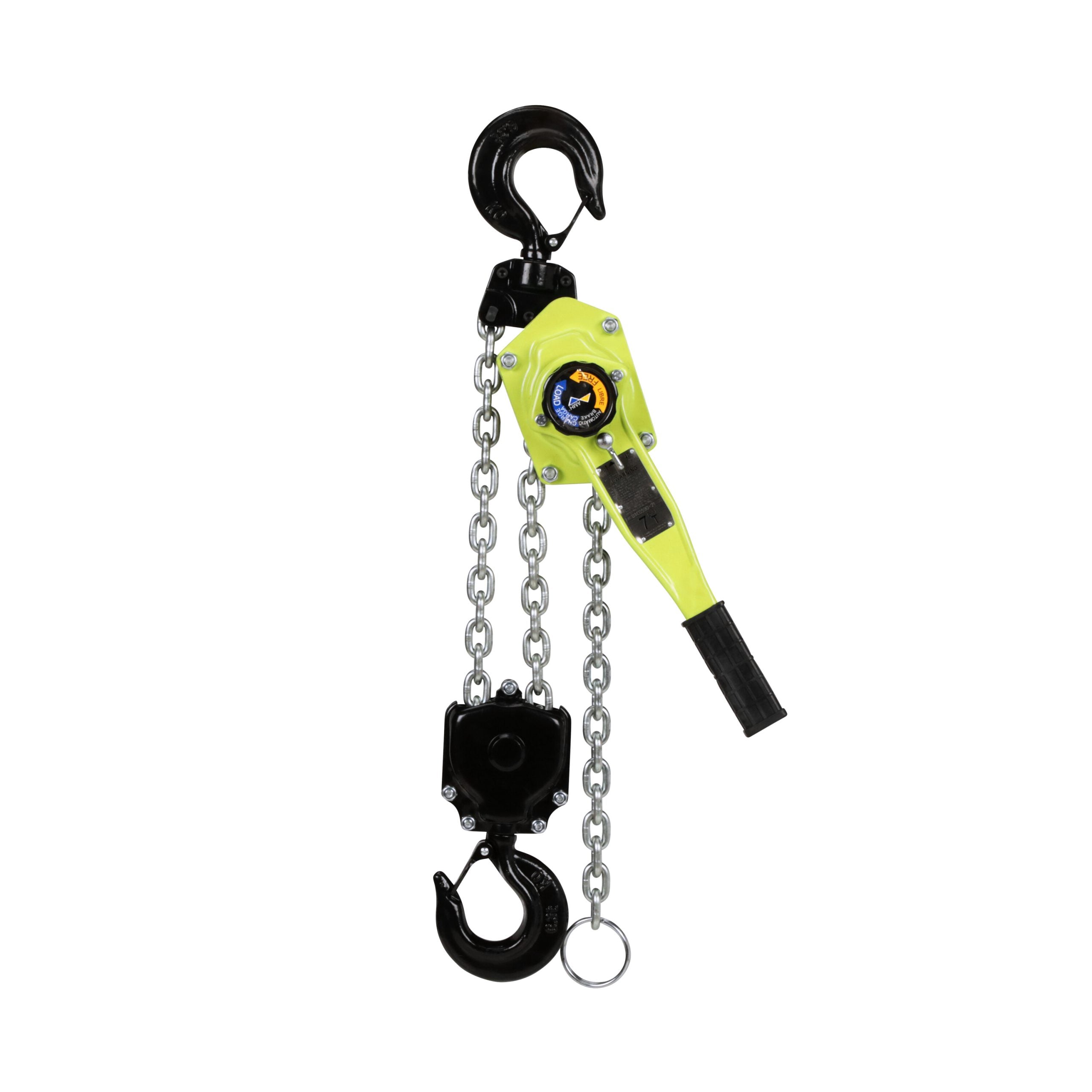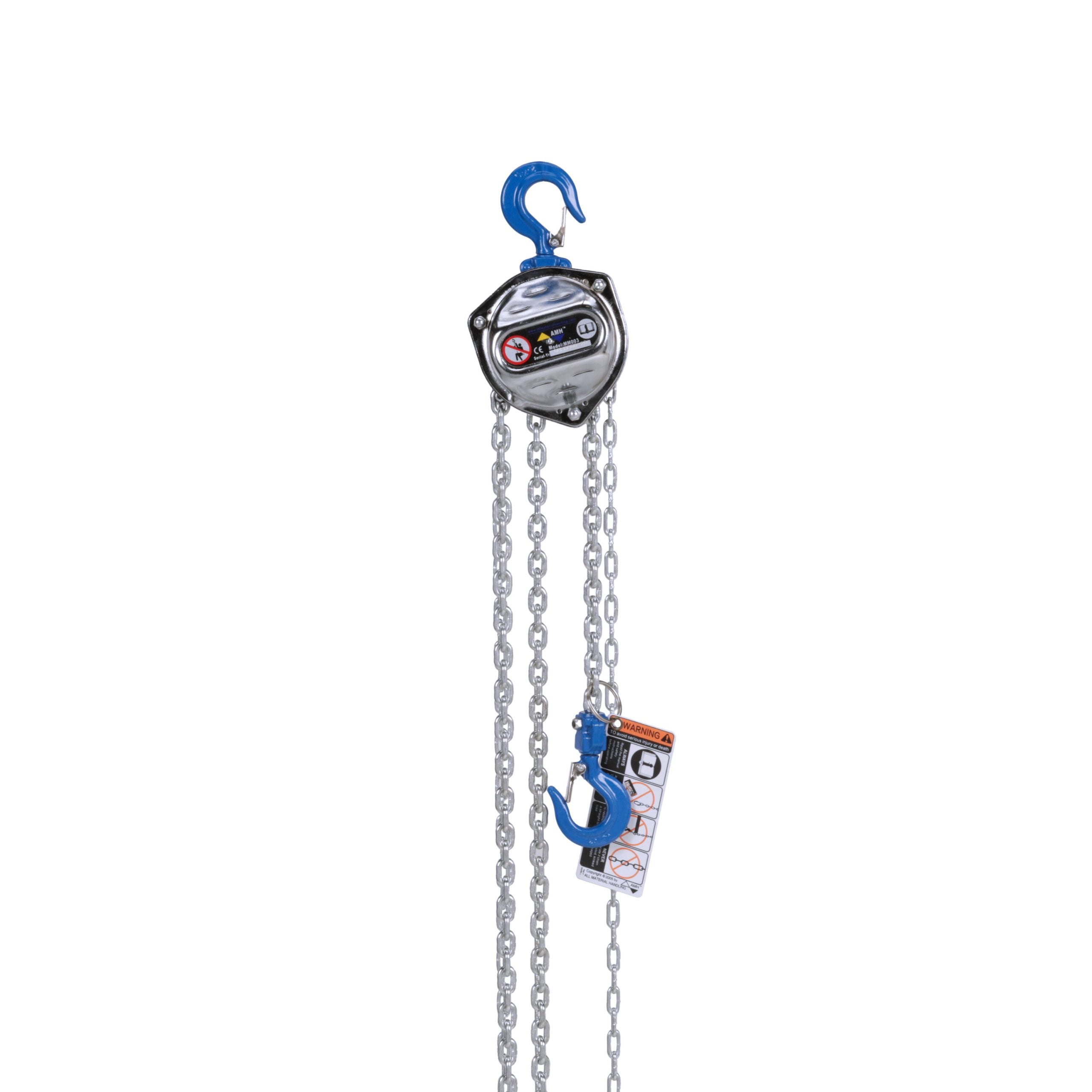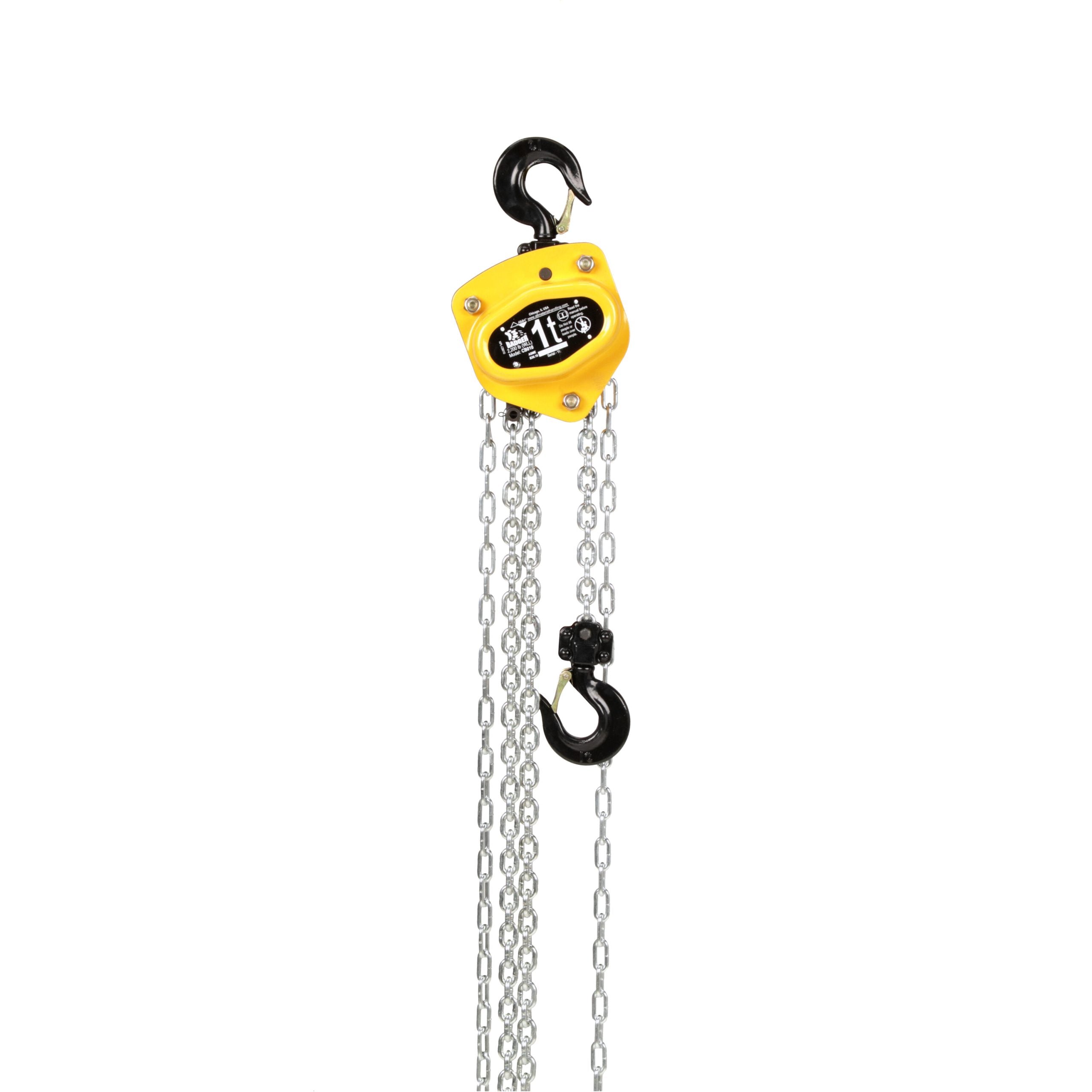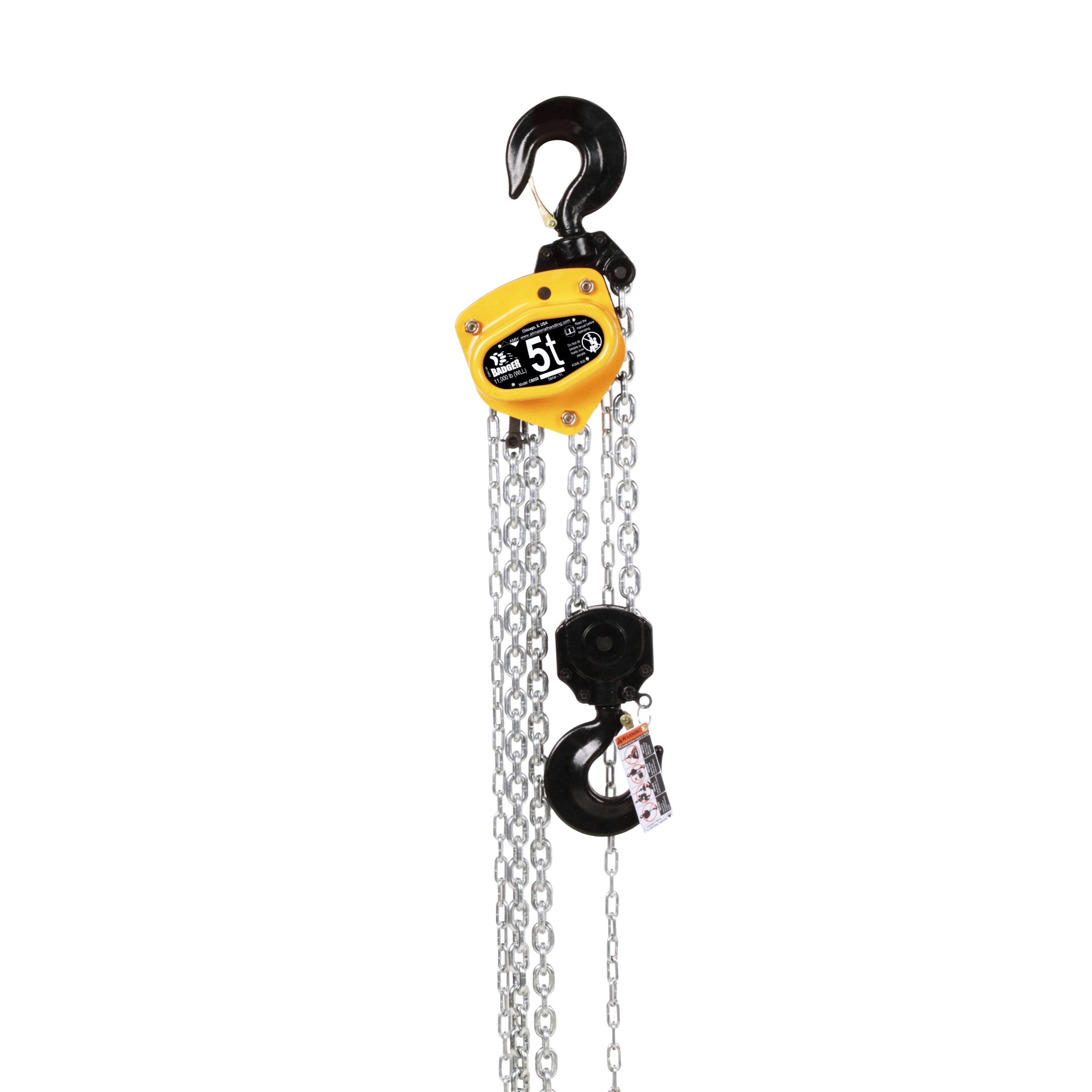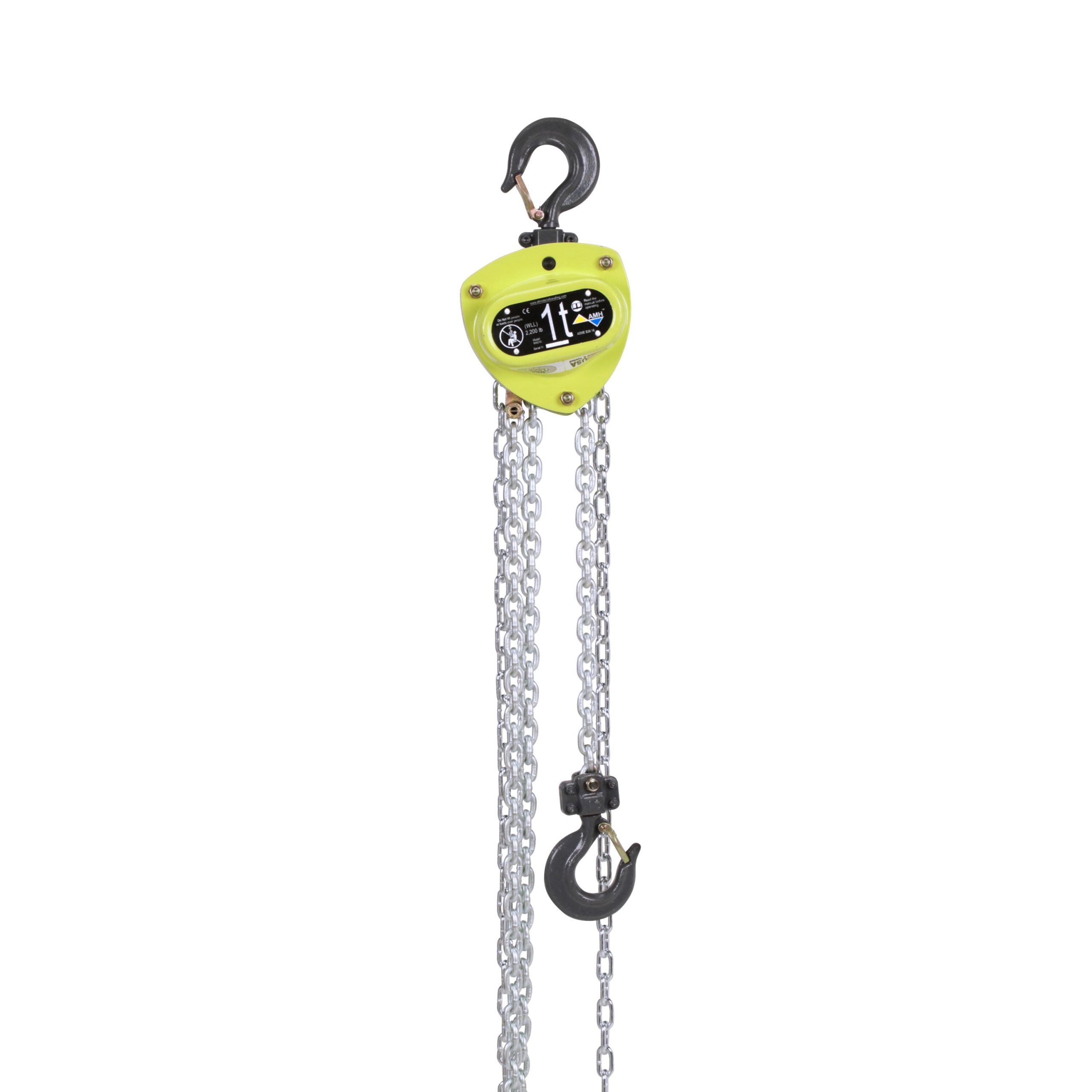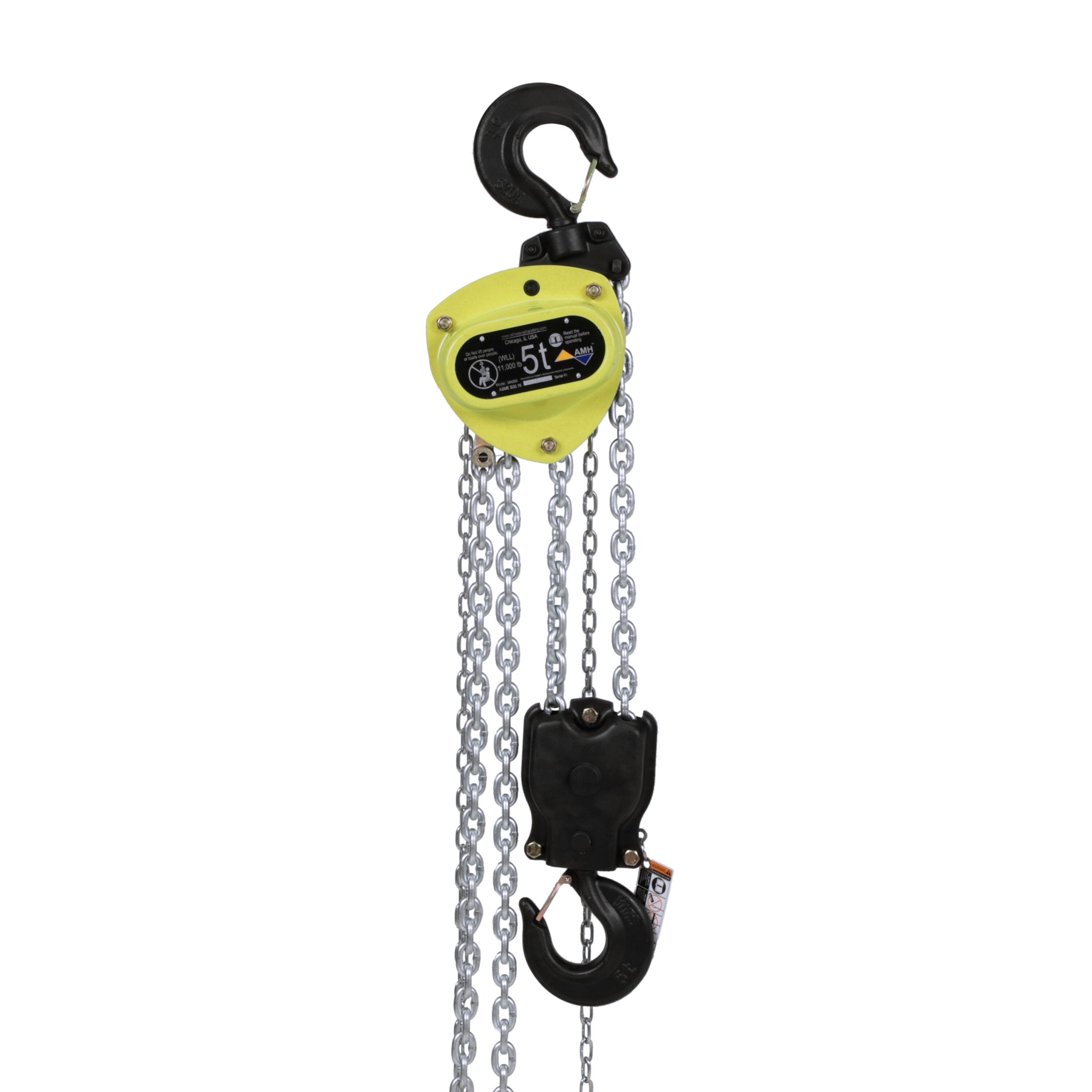
Alloy chain is the workhorse of overhead rigging: it shrugs off heat, abrasion, and rough handling that would retire a synthetic sling, it can be shortened on the fly, and a damaged leg can be rebuilt in the field instead of scrapped. SlingCenter stocks Grade 80 and Grade 100 lifting chain, chain slings, master links, hooks, shortening clutches, load binders, hoist load chain, and Green Pin Tycan® Dyneema® synthetic chain from Green Pin (Van Beest), All Material Handling, Crosby, and Liftex.
Why choose chain over synthetic or wire rope
Chain slings hold their full rated capacity at temperatures up to about 400°F and remain usable (at reduced WLL) far beyond that, where polyester and nylon are already retired. They resist cuts, abrasion, and UV, tolerate caustics and weld splatter, and are the standard choice for foundries, steel mills, fabrication, and any lift with sharp edges or repeated rough service. Because every component is mechanically coupled, a worn hook or stretched link is simply replaced — the sling goes back to work instead of the scrap bin.
Chain grades: what the number means
| Grade | Typical use | Notes |
|---|---|---|
| Grade 80 | Overhead lifting | Alloy; the long-standing benchmark for chain slings. |
| Grade 100 | Overhead lifting | Alloy; roughly 25% higher working load limit than Grade 80 at the same chain size — more capacity, or the same capacity at lower weight. |
| Grade 30 / 43 / 70 | Tie-down & transport only | Proof coil, high-test, and transport chain are not rated for overhead lifting. Use for load securement, towing, and general utility. |
Rule of thumb: if the load goes overhead, it must be Grade 80 or Grade 100 alloy with a proper master link, hooks, and an identification tag. Never lift overhead with proof-coil, high-test, or transport chain.
Anatomy of a chain sling
A chain sling is built from a master link (the ring the crane hook enters), one to four legs of alloy chain, coupling / connecting links that join components, and end hooks — sling, grab, self-locking, or foundry. Add a shortening clutch (grab) to any leg and you can adjust reach and level an off-center load without changing slings. One-, two-, three-, and four-leg configurations cover most lifts; multi-leg slings share the load across pick points at a rated angle.
Choosing hooks and fittings
Sling hooks are the general-purpose choice and take a latch. Grab hooks lock onto a chain link to shorten a leg. Self-locking hooks close automatically under load for the highest security. Foundry hooks have a wide throat for hot or bulky attachments. Match every fitting to the chain grade and size — a Grade 100 hook belongs on Grade 100 chain — and keep the whole assembly single-sourced so the ratings are engineered to work together.
Inspection, ratings & standards
Alloy chain slings are built to a 4:1 design factor and governed by ASME B30.9 (slings), ASME B30.10 (hooks), and OSHA 1910.184. Every sling must carry a durable identification tag showing grade, size, reach, and rated capacities. Inspect before each use and keep documented periodic inspections: retire any sling with stretched or elongated links, wear beyond the allowable, nicks, gouges, cracks, heat damage, or a hook that has opened or twisted. When in doubt, pull it from service.
Need a size, reach, or leg configuration you don’t see? We build custom chain slings and proof-test to order — use the Custom Sling & Bridle Builder or ask a rigger.
Narrow your search